Ann Arbor Garage Door Guide
Openers and Power Cuts: What Ann Arbor's Older Housing Stock Means for You
Most Ann Arbor garage doors run on openers installed decades ago, and this area's cold winters bring power cuts that can strand a door mid-cycle in January.
- Licensed & Insured
- Same-Area Service Calls
- Upfront Pricing
The Situation
Ann Arbor's housing runs older than a lot of people assume. Across the 22 named areas that make up this side of town - Burns Park, Angell, Old West Side, Northside, Wines, Haisley, and the rest - most homes were built between 1957 and 1999, with a median build year of 1978. That matters for openers more than most homeowners think.
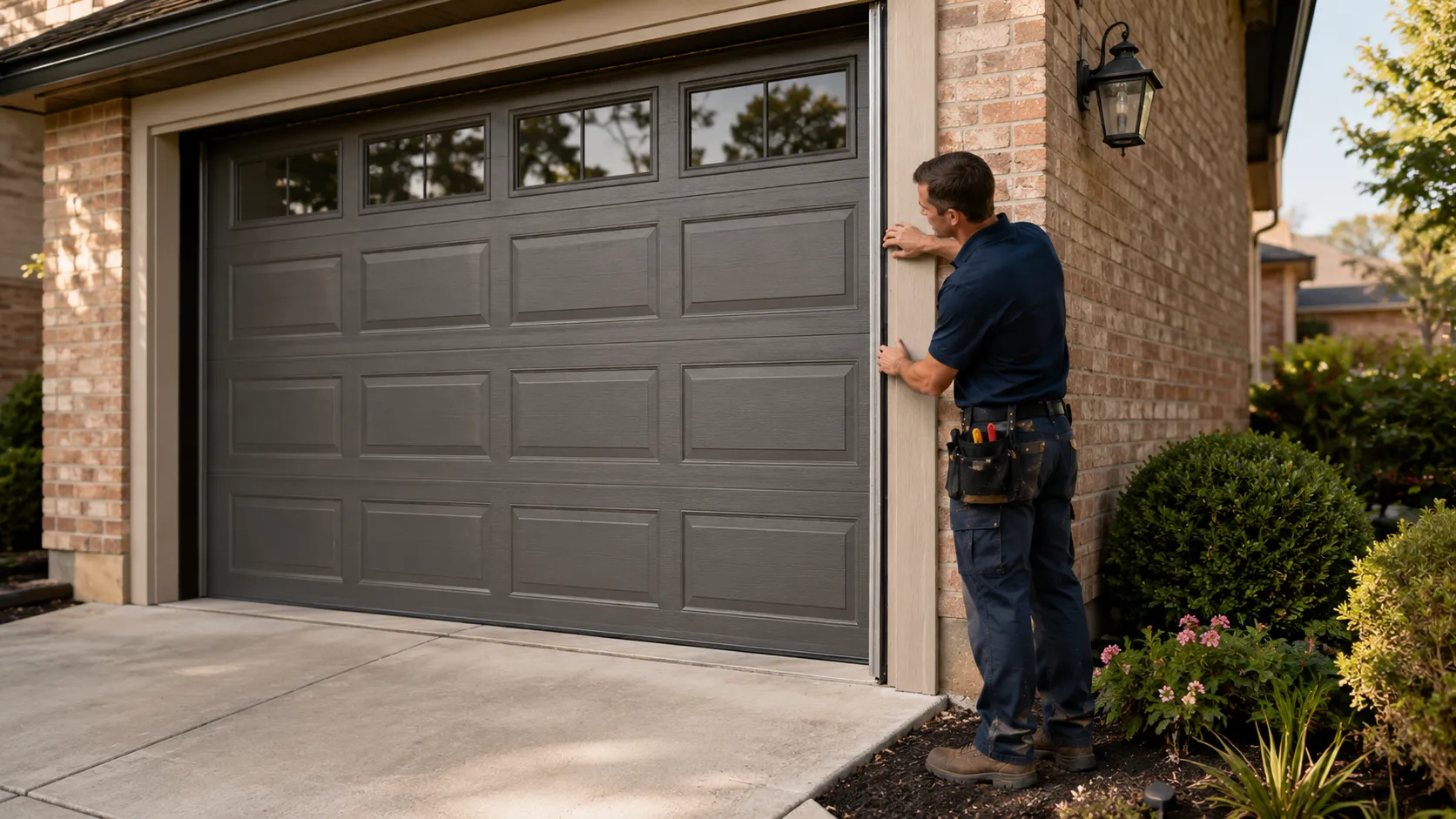
A door installed with the house in the 1960s or 70s, or even one replaced once since, is likely running hardware that predates today's expectations: no built-in battery backup, no Wi-Fi module, sometimes no manual release cord anyone remembers using. With 36,066 owner-occupied houses across this service area and a median household income of $89,024, plenty of families have put money into kitchens and roofs and never touched the opener bolted to the garage ceiling since the day it went in. That's not a criticism - openers are built to run for decades and mostly do.
But it means when something goes wrong here, it's often an older unit reaching the end of its working life, not a defect in a new one. Knowing your neighborhood's rough building era is a decent first clue to what's actually behind that garage ceiling.
What Local Conditions Do
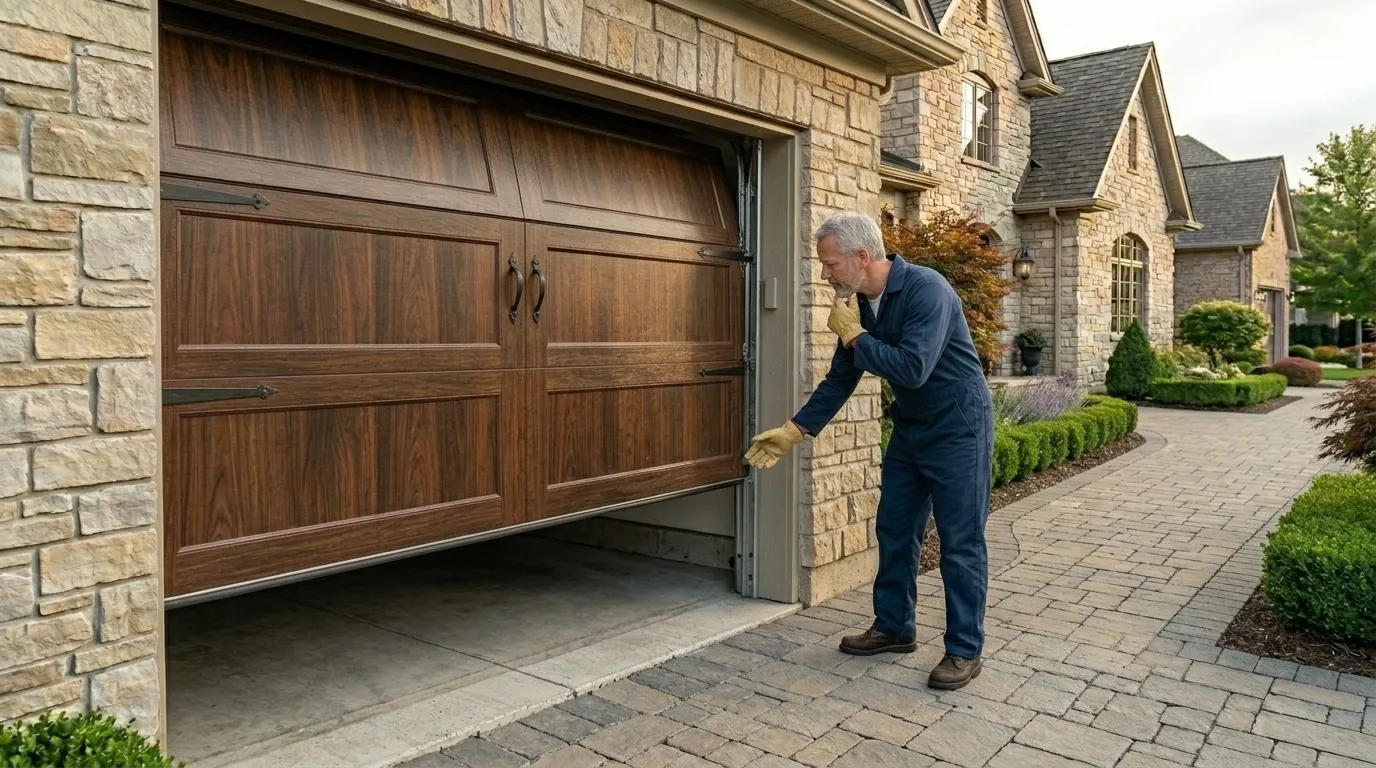
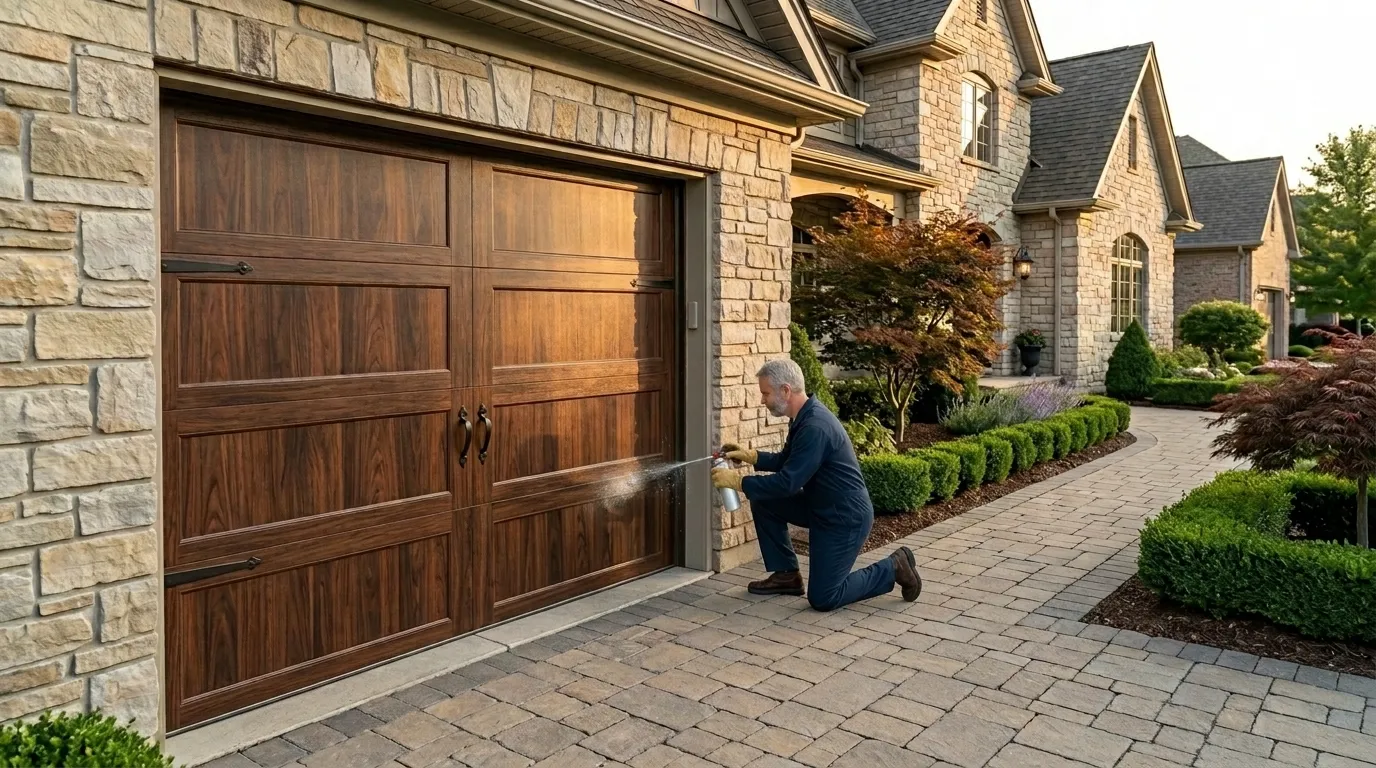
This area sits in a climate band the federal data marks as severe cold, and cold is hard on openers in specific, mechanical ways. Chain and belt drives contract in low temperatures and can bind slightly at the point they used to move freely. Lubricant that was fine in July turns thick and sluggish in January, which makes the motor work harder to pull the same door.
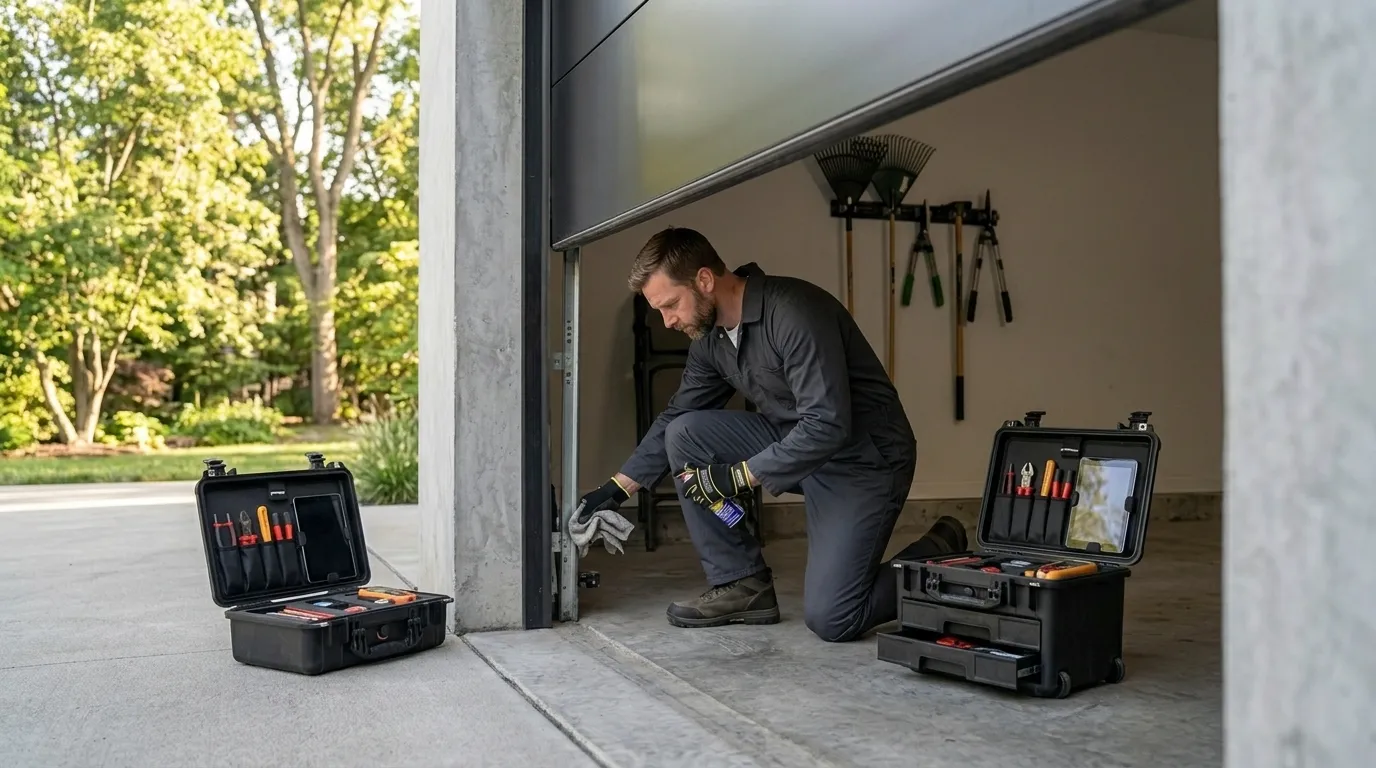
Photo-eye safety sensors mounted low near the floor can fog or frost over on the coldest mornings, and an opener that senses a blocked path will simply refuse to close - no diagnostic light, no obvious fault, just a door that won't shut. None of this means the opener is broken. It means cold-weather friction is doing exactly what cold-weather friction does to older motors and older tracks.
A newer opener with a stronger motor handles it better; a 20-year-old unit already running near its limit is the one that stalls out. This is one reason age and climate compound each other here rather than acting as separate problems.
The Seasonal Bit
Power cuts are the other half of this. In a severe cold climate, winter weather is what most often knocks power out, and an opener with no battery backup goes dead the instant the house does. If you don't know where the manual release cord is, or haven't pulled it in years, that's the moment you find out the hard way - usually in a driveway, in the cold, trying to get to work.
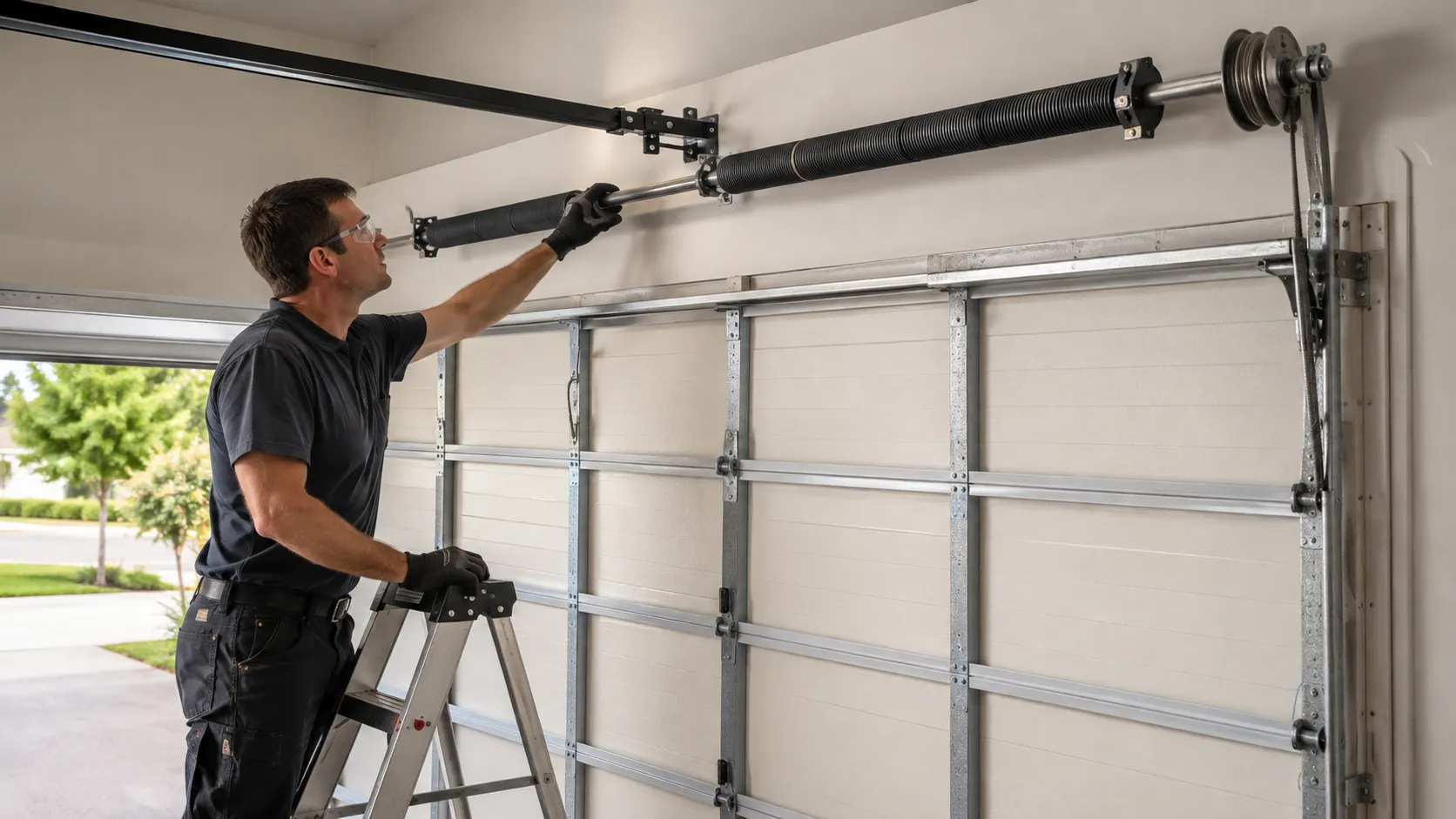
Openers built or installed before battery backup became standard simply don't have this fallback built in. You can retrofit a backup battery to many units, but not all of them; some older motor housings won't accept the newer battery packs at all, and that's a limitation worth knowing before you assume an upgrade is simple. The honest answer is that some openers are past the point where adding backup makes sense, and replacing the unit outright is the more sensible move.
Given how much of this area's housing stock dates to the 1960s through the 1990s, that's not a rare situation - it's a fairly common one once winter arrives.
When to Get Help
Call before the door fails completely, not after. If your opener strains audibly in cold weather, reverses partway through closing, or the safety sensors seem to lose their minds every time the temperature drops, that's the pattern to act on - not wait out. Same goes for power cuts: if you don't know how to manually release your door right now, that's worth sorting out on a day when nothing's wrong, not during an outage.
We'll tell you plainly when a repair makes sense and when the unit's age means replacement is the better spend - we're not going to talk you into fixing a motor that's on its last winter just to avoid a bigger job. One limitation worth being upfront about: some parts for older opener models are genuinely hard to source, and if yours is one of them, we'll say so rather than string out a repair that won't hold.
How We Can Help
Garage Door Repair
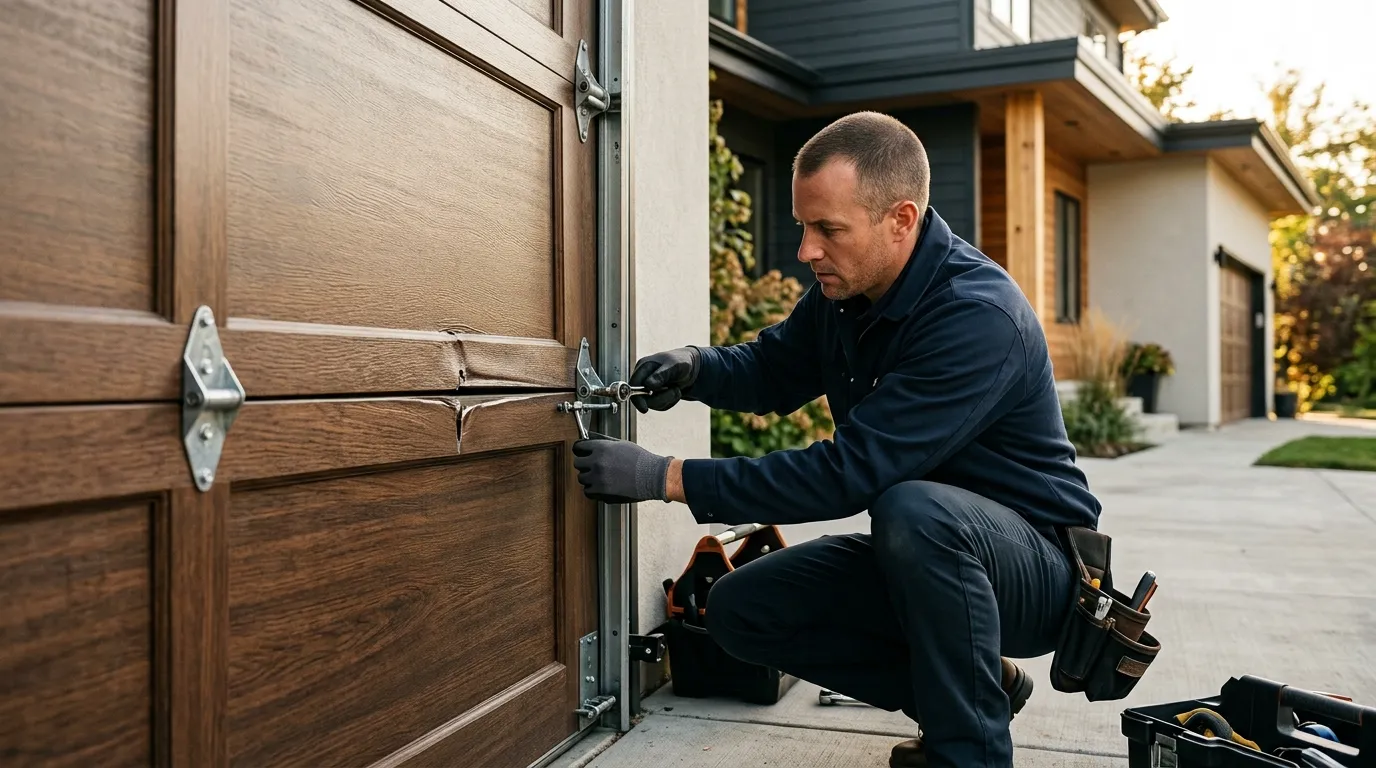
Springs, cables, tracks, rollers, and openers fixed by a tech who explains the problem before touching anything.
Learn more →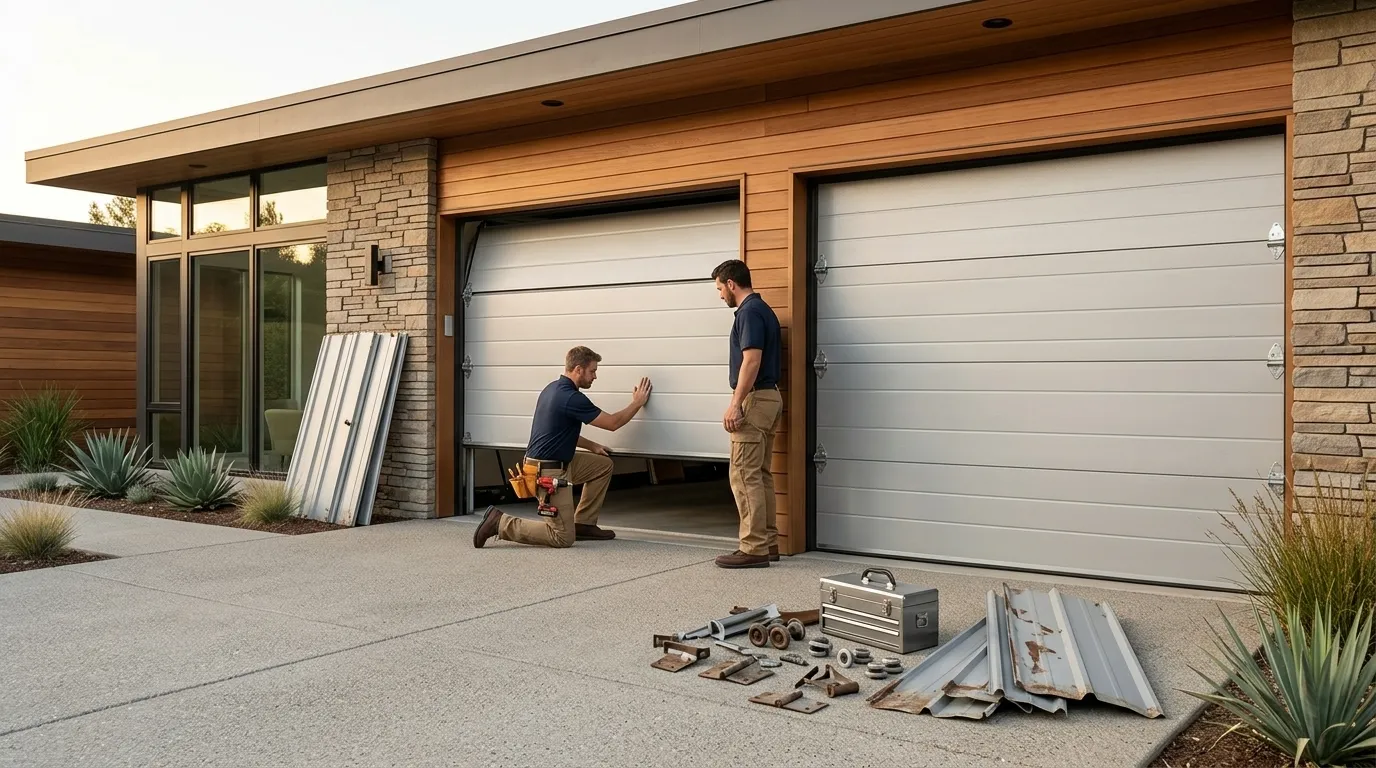
Garage Door Installation
New sectional doors sized and installed for the housing stock actually built in this area.
Learn more →
Garage Door Service
Tune-ups, lubrication, and safety checks that catch a small problem before it becomes a service call.
Learn more →Frequently Asked Questions
Why does my garage door opener struggle more in winter?
Cold stiffens chain and belt drives, thickens the lubricant inside the motor housing, and can frost over the safety sensors near the floor. An older opener already working near its limit feels this more than a newer one, which is common given how much of Ann Arbor's housing dates to the 1960s through 1990s.
What happens to my garage door during a power cut?
Without battery backup, the opener simply stops working and the door stays wherever it was when power dropped. Every opener has a manual release cord that disconnects it from the trolley so you can lift the door by hand - worth locating before an outage, not during one.
Can I add battery backup to an older opener?
Sometimes. Many mid-generation openers accept an add-on battery pack, but some older motor housings simply don't have the connection point for one. If yours doesn't, replacement is usually the more practical route rather than forcing a retrofit that won't hold.
Is my opener's age actually a problem, or just old?
Age alone isn't a fault - plenty of decades-old openers still run fine. The issue is that older units combined with severe cold and no backup power leave less margin when something does go wrong, which is why we look at the whole picture, not just whether the door currently opens.
Have a Door That Needs a Second Opinion?
Call and describe what it is doing - we will tell you what it likely is.