
Ann Arbor Garage Door Guide
What That Sound From Your Garage Door Is Actually Telling You
A homeowner's guide to what garage door sounds actually mean in Ann Arbor's older housing stock, tied to build era and the area's severe cold winters.
- Licensed & Insured
- Same-Area Service Calls
- Upfront Pricing
The Situation
Most of the housing across Ann Arbor's older neighborhoods - Burns Park, the Old West Side, Northside, Angell, the Bryant Pattengill areas, Wines, Abbot, King, Haisley, Carpenter - went up between 1957 and 1999, with the typical build year sitting around 1978. That matters more than people think when it comes to noise. A door and opener installed with the house, or replaced once sometime in the decades since, is running hardware from a design era before today's dual-spring safety cables and sealed ball bearings became standard.
So when a homeowner here calls and says the door is making a noise it never made before, we're usually not troubleshooting a mystery. We're troubleshooting age.
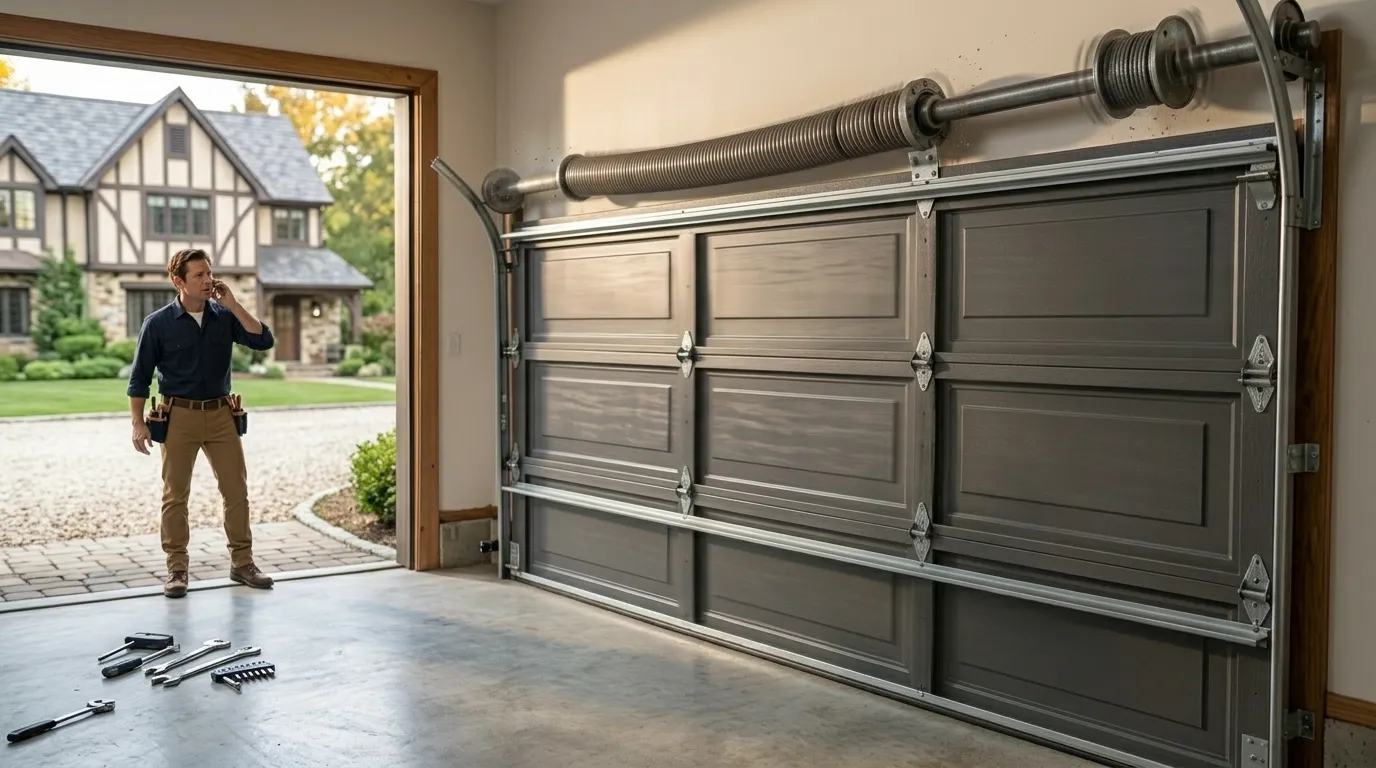
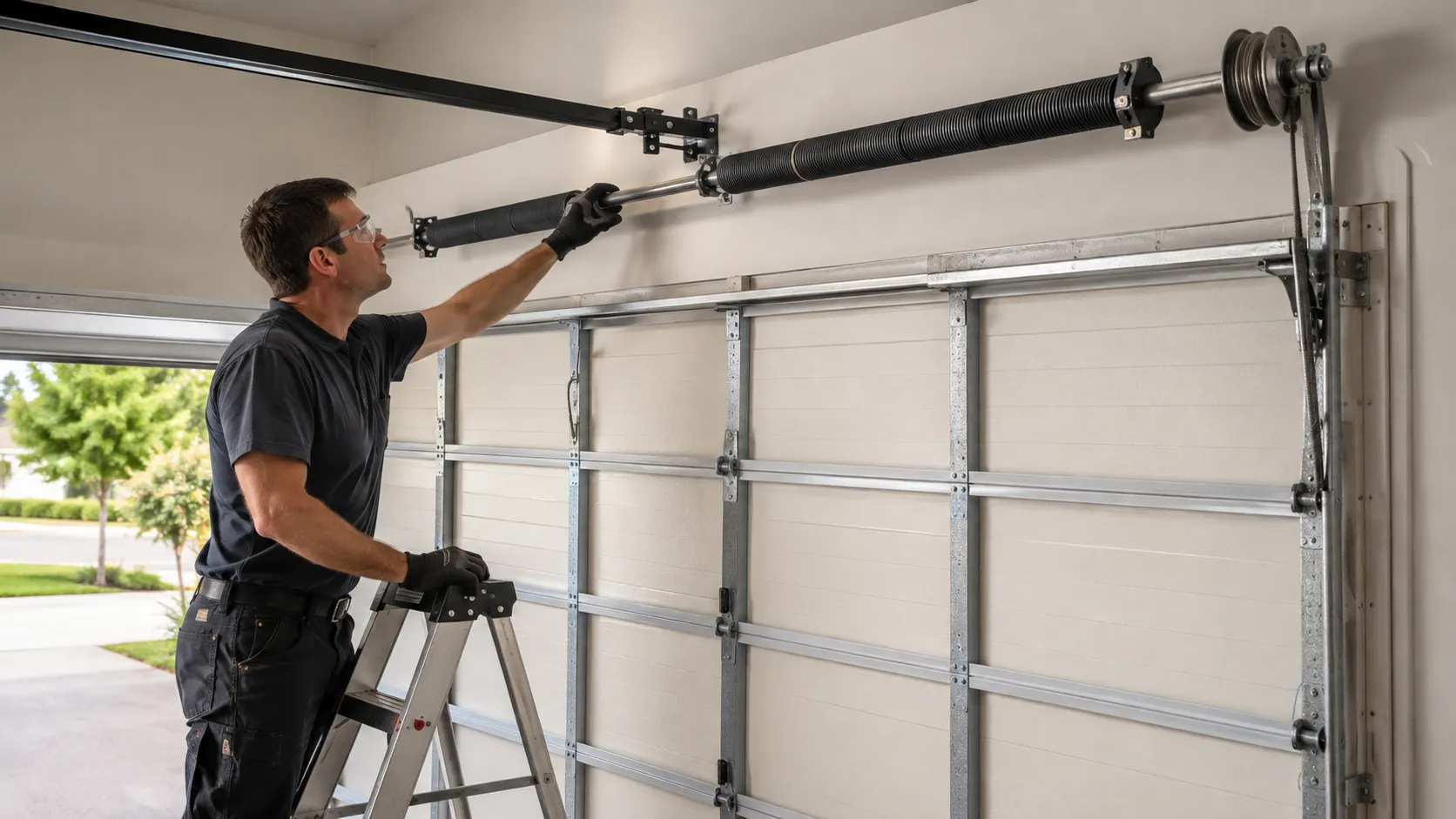
A squeal, a bang, a grinding chain, a rhythmic thump as the door travels - each one points to a different part, and in a town where so much of the stock is 1960s-70s vintage, the same handful of failures show up over and over. Original torsion springs cycling past their rated life. Rollers with dry or worn bearings.
Track brackets that have loosened a fraction of an inch over forty-plus years of use. None of this is exotic. It's what happens to garage door hardware installed the year a lot of these houses were built, still doing its job decades later.
What Local Conditions Do
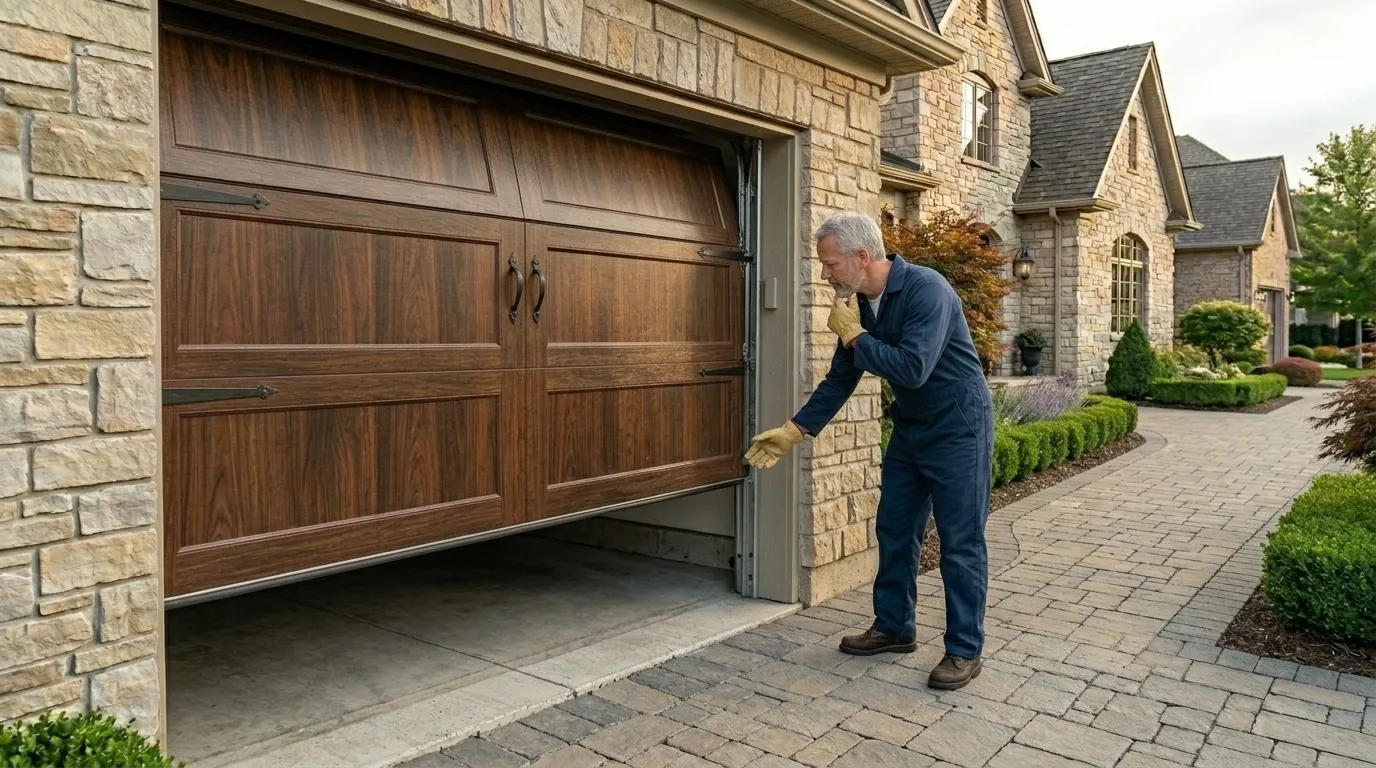
Two things drive most of the noise complaints we hear across town: how old the hardware is, and what winter does to it. Take them together and specific sounds start to mean specific things. A steady screech that rises and falls as the door moves is almost always a worn roller - and in the 1960s-70s stock that makes up so much of Ann Arbor's older sections, that roller is often the same steel-and-bearing design that shipped with the original door, not the quieter nylon rollers common in newer builds.
A loud bang on opening or closing, especially a single sharp crack, usually means a spring - and on a house from the 1957-1999 era, that spring has frequently never been replaced. A grinding or scraping chain points to an opener drive gear or chain tension issue, more common on the older chain-drive units still installed on houses that predate belt-drive openers becoming the default option.
We'll say plainly: we can't diagnose everything by sound alone over the phone. A rattle can mean a loose bracket or it can mean a bent track, and those are very different jobs. What we can tell you, given how much of this town's housing sits in that same build window, is which failure is statistically most likely - and start there.
The Seasonal Bit
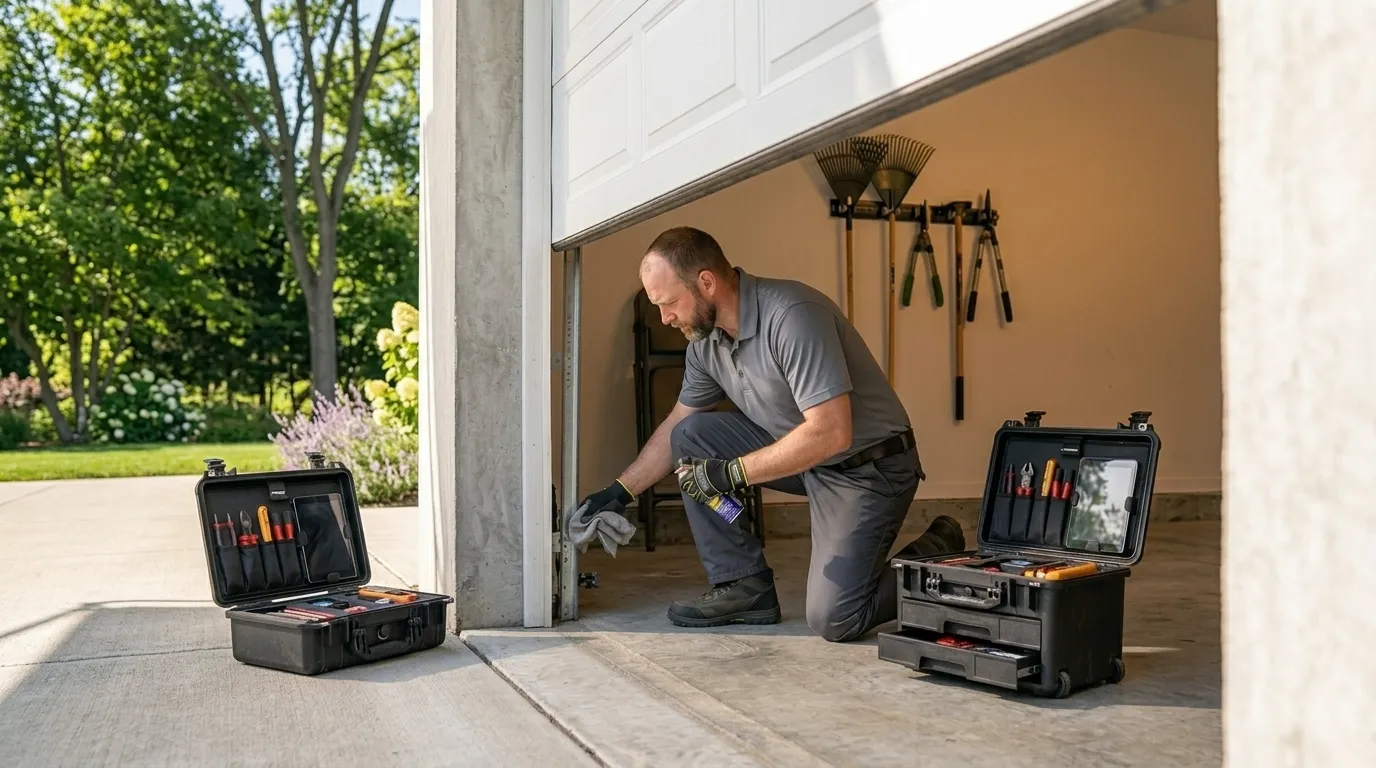
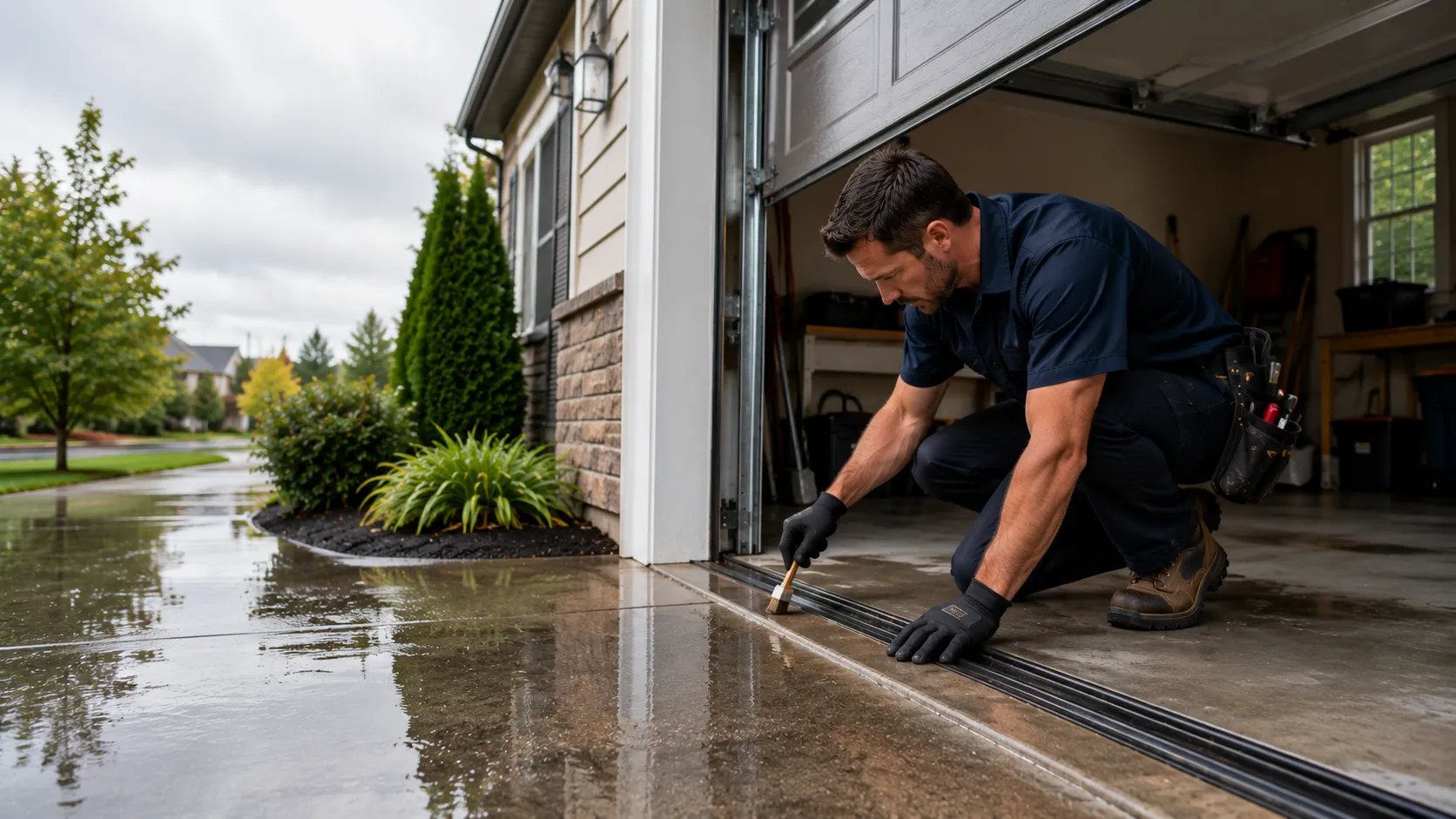
Ann Arbor sits in a cold-severe climate band, and that shows up in garage door sound in a very specific way: the first cold snap of the year. Steel springs contract in cold weather, grease on rollers and hinges thickens, and metal-on-metal tolerances that were fine in August suddenly aren't in January. A door that ran quiet all summer and starts groaning or catching the first week temperatures drop hard isn't broken in some new way - it's the same aging hardware from that 1957-1999 build window responding to cold the way steel does.
A bang or pop that only happens below freezing is often the door or track binding at a spot that had a little slack in warm weather. The gap wasn't a problem until the cold pulled everything a few thousandths of an inch tighter. This is also when original torsion springs, already decades into a rated cycle life, are most likely to finally let go - cold steel is more brittle steel, and a spring that's been slowly weakening for years often picks the coldest week to fail outright.
We don't recommend waiting out a cold-weather noise to see if it goes away once it warms up. It usually doesn't; it usually gets worse the next cold snap.
When to Get Help
Some noises are worth a call right away. A loud bang followed by the door refusing to move, or moving unevenly, almost always means a broken spring or a snapped cable - don't try to force the door or disconnect the opener yourself, that's a real injury risk regardless of what town you're in. A grinding chain that's gotten noticeably louder over a week or two is worth catching before the gear strips completely.
Other noises can wait for a scheduled visit rather than an emergency call: a rhythmic squeak from a roller, a soft rattle from a bracket, a hum from the opener motor that's always been there. If your house falls in that common 1957-1999 build range like most of Ann Arbor's older sections, and the door has never had the hardware updated, a scheduled inspection can catch a weakening spring or a worn roller before it becomes a cold-morning emergency.
Honest limitation: we can't always tell you over the phone whether a noise is a five-minute fix or a full hardware replacement. Original springs and some older opener parts from that era aren't always something we can source same-day, so if your hardware is that old, expect us to talk through options rather than promise an instant fix.
How We Can Help
Garage Door Repair
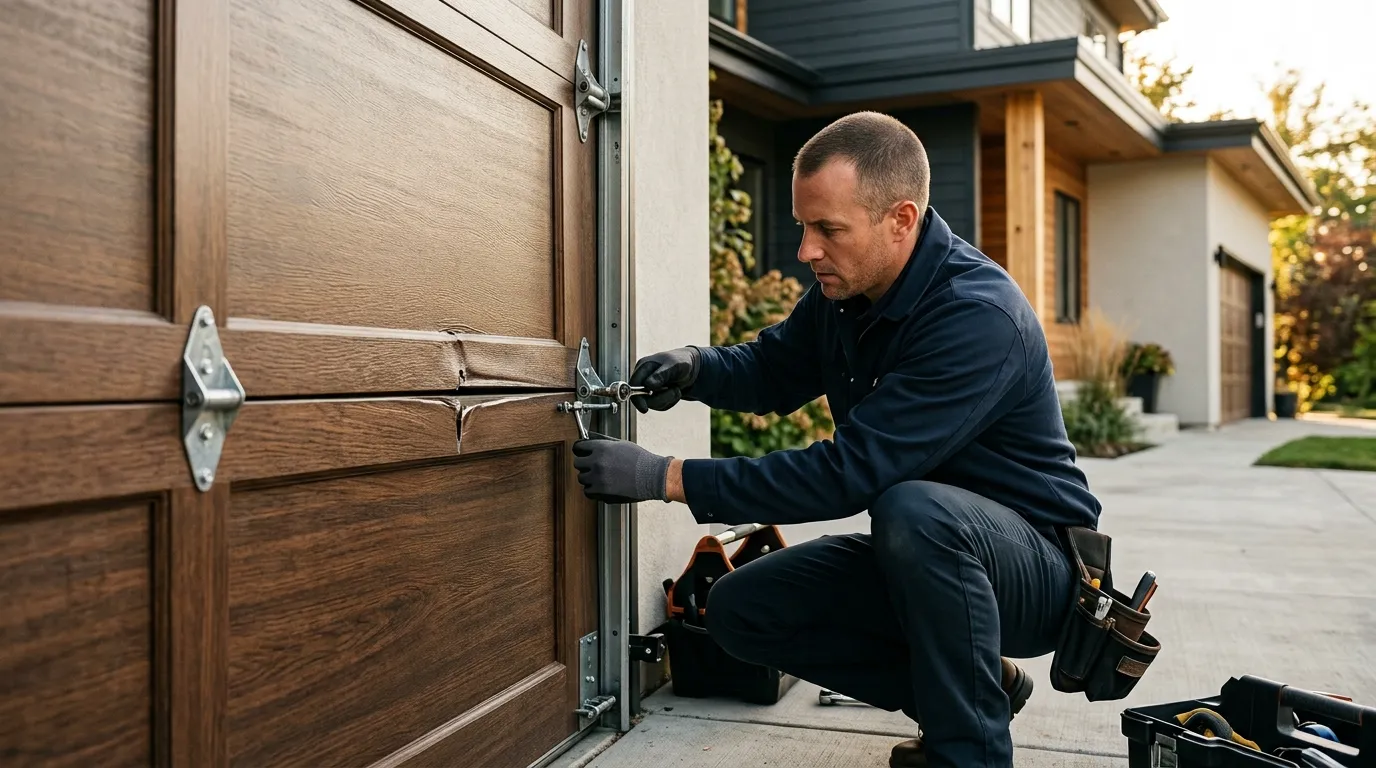
Springs, cables, tracks, rollers, and openers fixed by a tech who explains the problem before touching anything.
Learn more →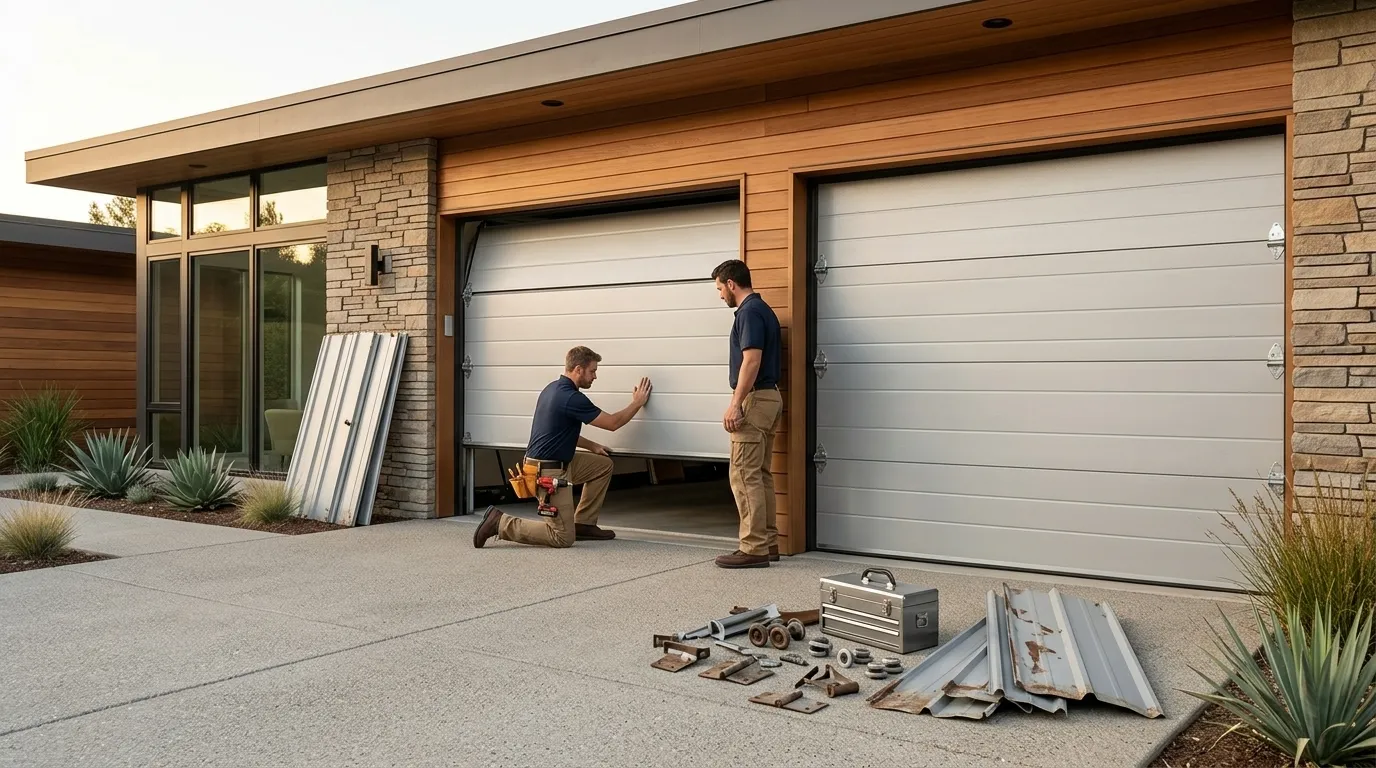
Garage Door Installation
New sectional doors sized and installed for the housing stock actually built in this area.
Learn more →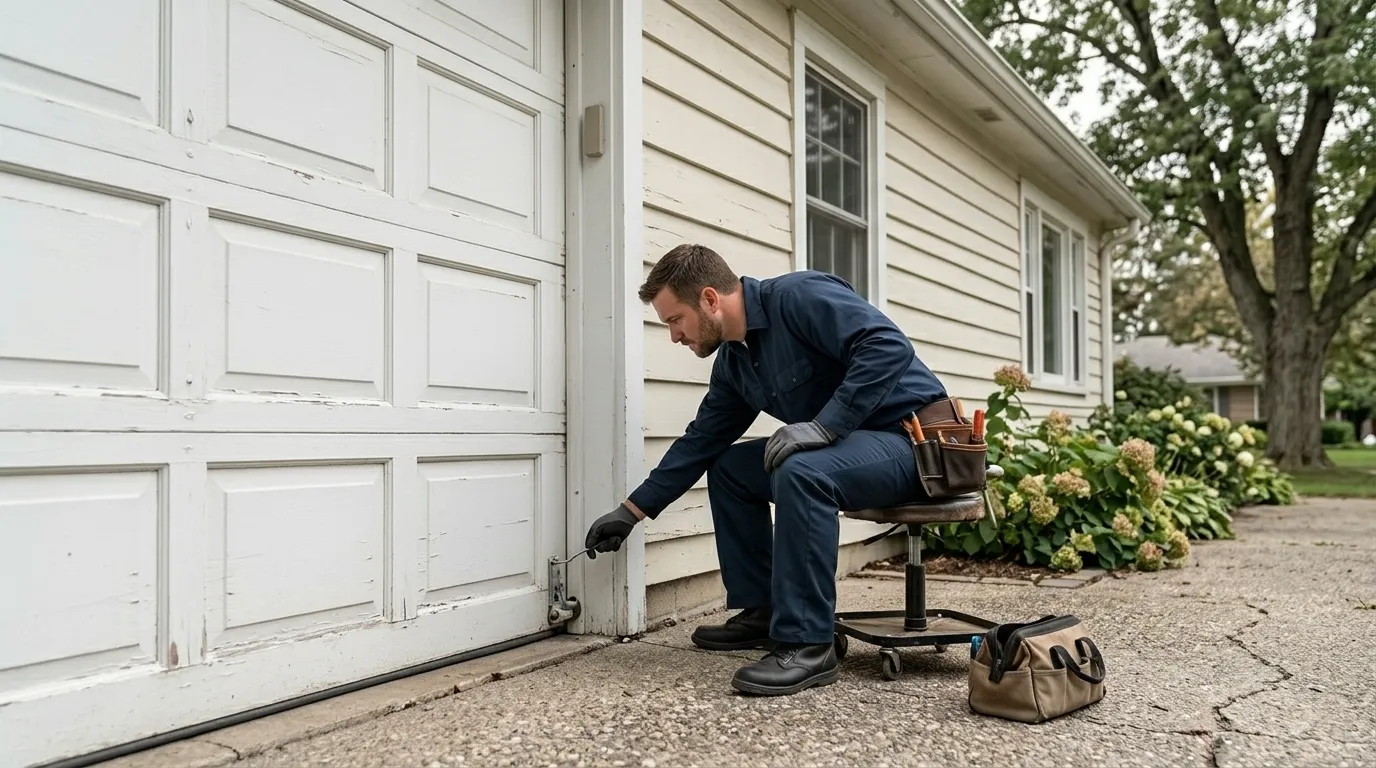
Garage Door Service
Tune-ups, lubrication, and safety checks that catch a small problem before it becomes a service call.
Learn more →Frequently Asked Questions
Why does my garage door suddenly get loud every winter?
Cold contracts steel springs and thickens grease on rollers and hinges, which is more noticeable in a cold-severe climate like Ann Arbor's. A door that's quiet all summer often groans or catches at the first hard freeze because tolerances that were fine in warm weather tighten up in the cold.
Is a squealing roller serious?
Not usually an emergency, but worth addressing. A worn roller bearing, common in the 1960s-70s hardware still running on a lot of Ann Arbor's older houses, will keep getting louder and can eventually cause the door to bind in the track.
My door banged once and now won't move - what happened?
That's almost always a broken spring or a snapped cable, especially on original hardware from a house built in the 1957-1999 range. Don't force the door or disconnect the opener. Leave it closed and call for a spring or cable repair.
Can you tell what's wrong just from the sound I describe?
We can usually narrow it down, since so much of the housing in town shares the same build era and hardware history, but we can't promise a full diagnosis over the phone. A rattle can mean a loose bracket or a bent track, and those are different jobs.
Have a Door That Needs a Second Opinion?
Call and describe what it is doing - we will tell you what it likely is.