
Service
Garage Door Repair for Ann Arbor's 1960s-70s Housing Stock
Torsion spring, opener, and track repair for Ann Arbor homes built between 1957 and 1999, sized for the cold-climate wear this housing stock actually sees.
- Licensed & Insured
- Same-Area Service Calls
- Upfront Pricing
What You Are Seeing
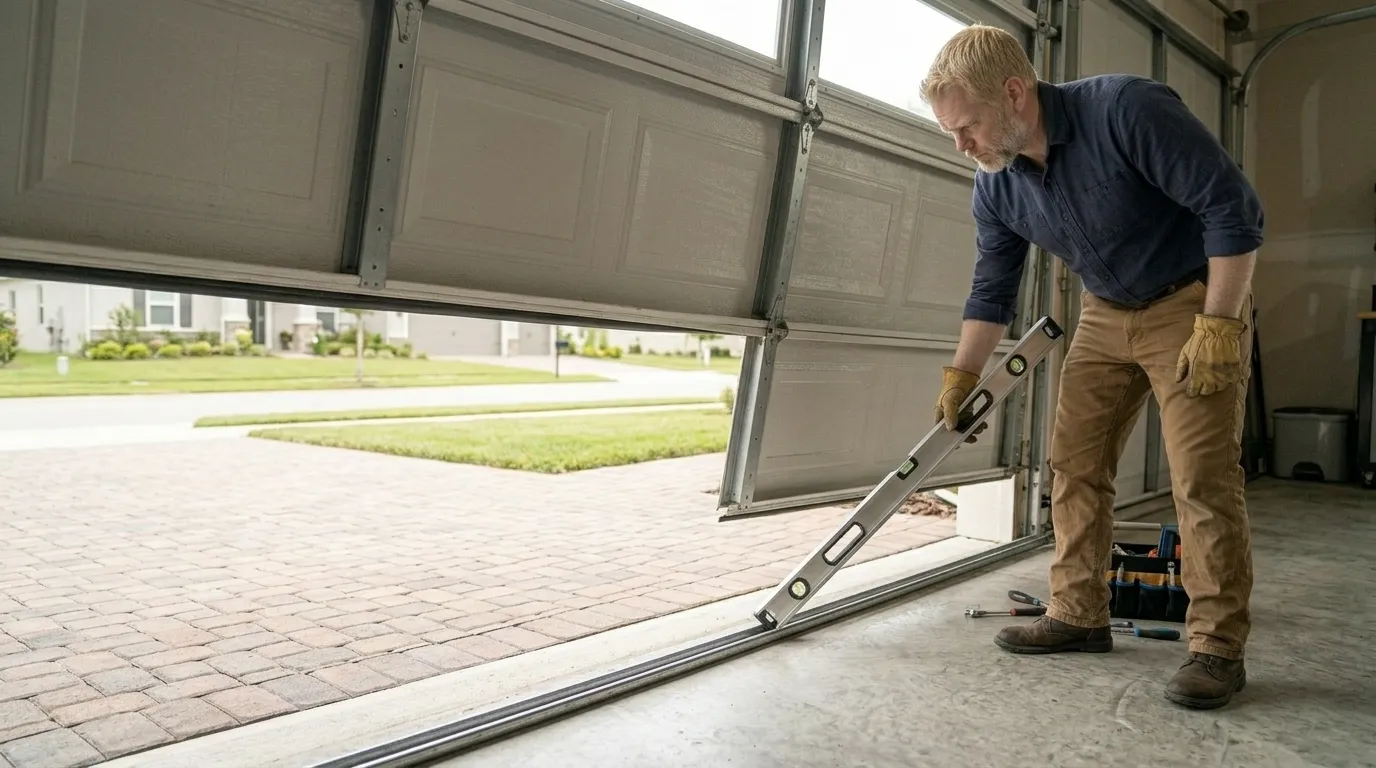
If your door won't lift, or it lifts a few inches and stops, or the opener grinds and the door barely moves, you're almost always looking at a broken torsion spring or a cable that's jumped its drum. On older doors you'll sometimes hear a bang from the garage before the door quits entirely - that's the spring letting go.
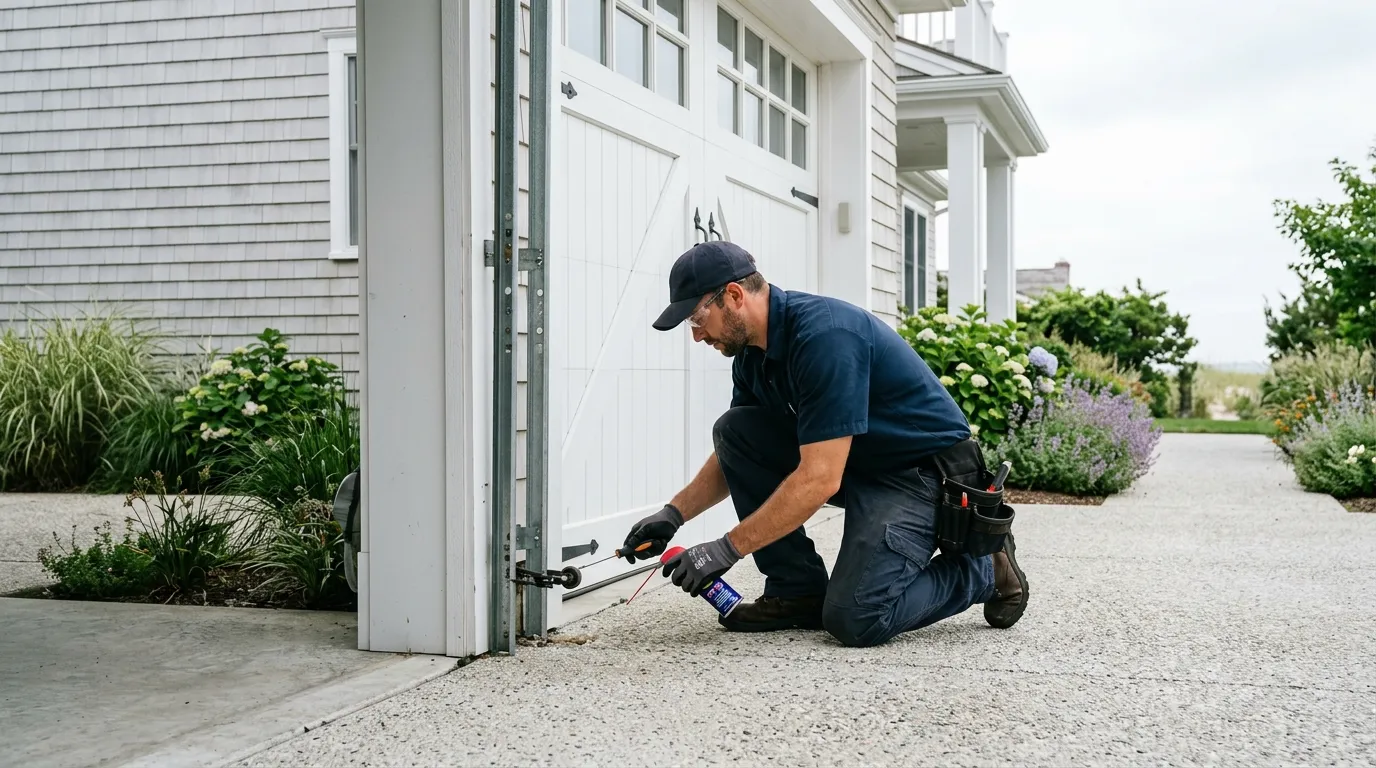
On newer setups it's quieter: the opener just hums and the door sits there. Rollers that have gone dry or cracked will show up as a door that's loud and jerky but still moves, which is a different repair than a dead spring.
Across Burns Park, Old West Side, Northside, and the other older neighborhoods near downtown, we see a lot of original hardware still in place on doors that are 40 to 60 years old. Out toward the newer edges of the service area, the doors are younger but the springs are hitting the same wear ceiling - torsion springs are rated in cycles, not years, and a door used twice a day for 20 years is due regardless of the house's age. If your door reverses right after it starts closing, that's usually the safety sensors, not the spring, and it's a much smaller job.
What the Fix Involves
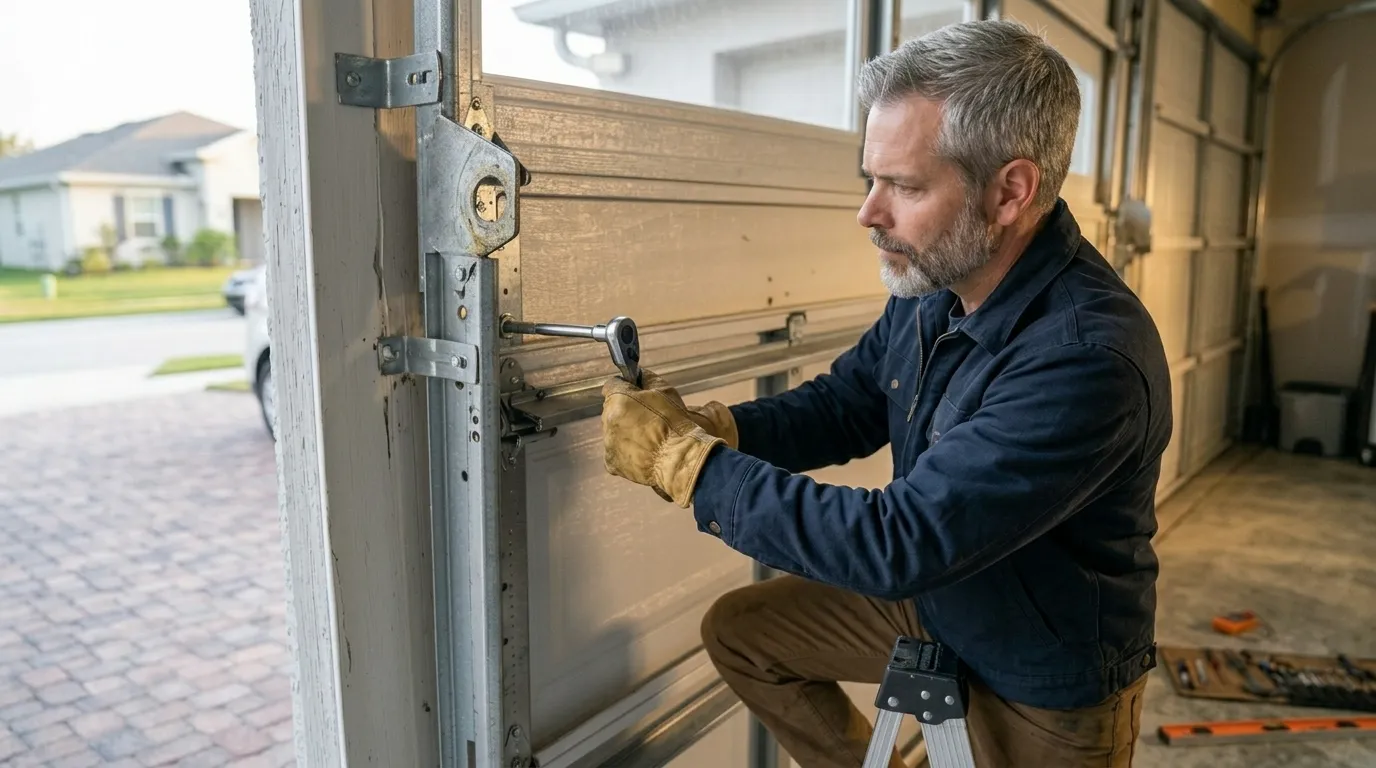
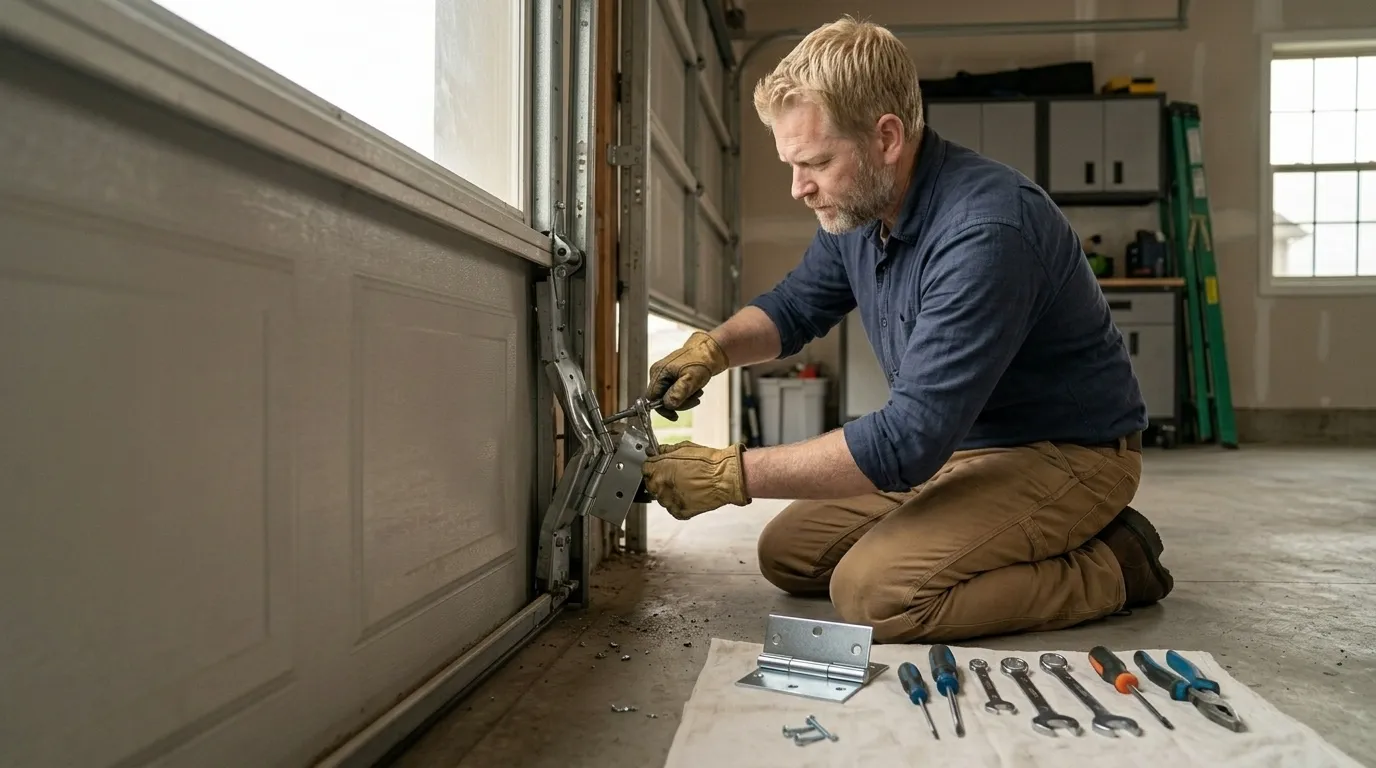
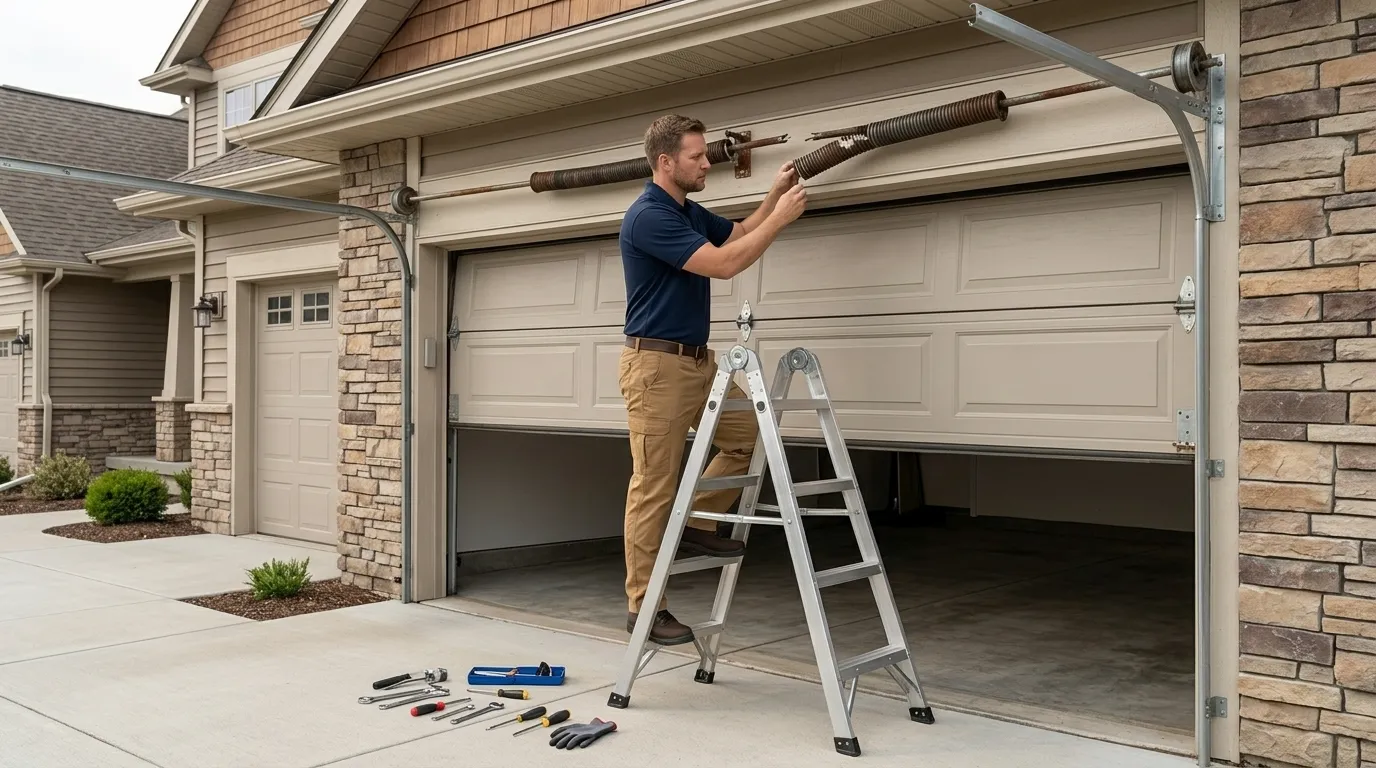
A torsion spring replacement means clamping the door, releasing tension safely, pulling the old spring off the shaft, and setting a new one sized to the door's actual weight - not just whatever was on it before. A lot of the doors we open in this area were built when 1978 was the median construction year for the housing stock, and the springs on file from that era don't match what a hardware store sells today. Wind the wrong spring to the wrong tension and the door either won't lift or slams down, so we measure and calculate rather than guess.
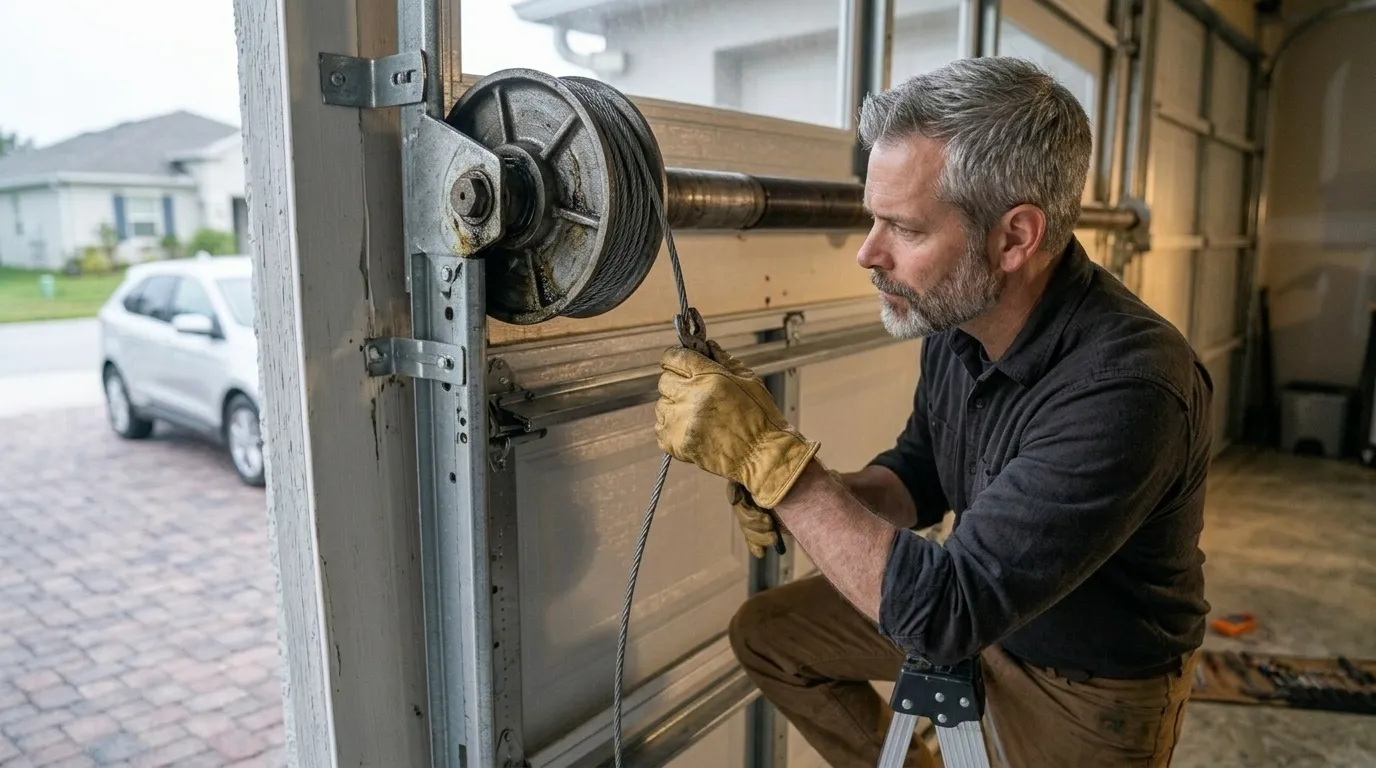
Cable and drum work is similar in scope but faster: rewind, reseat, check the drum for wear grooves that would just shred a new cable again. Opener repairs vary more - sometimes it's a burnt-out capacitor or a stripped gear, sometimes the whole unit is past the point where parts are worth chasing and replacement is the honest answer. We'll tell you which one you're looking at before we start, not after.
What Is on the Truck
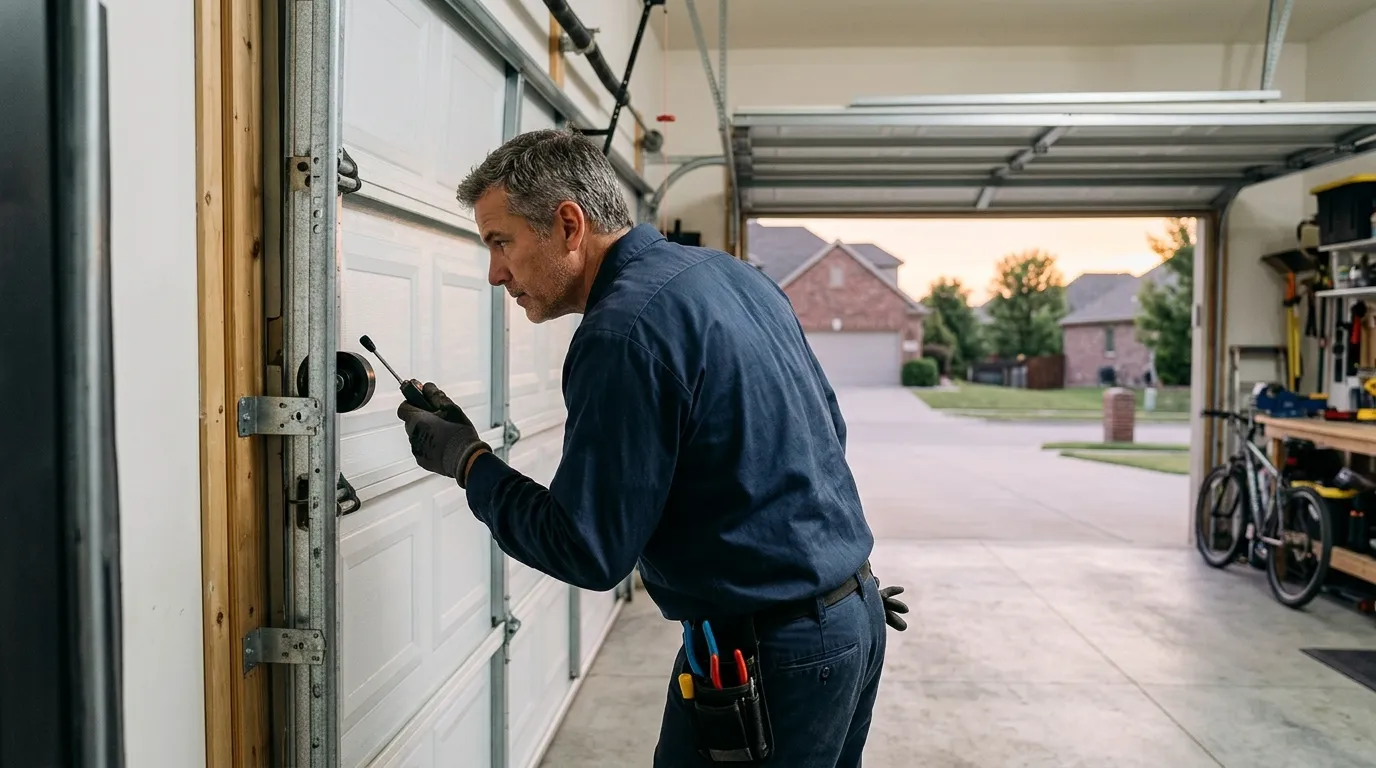
We carry torsion springs across the common weight ranges that fit the single and double doors typical of this area's 1957-1999 housing stock, plus standard-lift cable, drums, and rollers. Steel doors dominate what we replace parts on here, and most of the openers we service are chain or belt drive units installed as retrofits on older houses rather than original equipment - the doors are usually far older than the openers bolted to them.
What we don't carry on the truck: obsolete wood-panel hardware and some older low-headroom track kits, since those parts have limited manufacturers left making them. If your door needs one of those, we'll tell you straight that it may mean a short wait on a special order rather than a same-visit fix. That's the one honest limit we'll put in writing - most jobs are done in one trip, but a handful of older or unusual setups aren't.
Why It Happens Here
This area sits in a cold, severe climate band, and that matters more for garage doors than people expect. Steel contracts in deep cold, which tightens tolerances on tracks and rollers that were already worn loose from years of use.
A spring that's been fine all summer can snap in January simply because the cold added the last bit of stress it couldn't absorb. That's why winter is when we get the most calls for doors that just won't lift.
The age of the housing stock compounds it. With most homes built between 1957 and 1999 and a lot of that stock concentrated in the 1960s and 70s across neighborhoods like Angell, Wines, and Haisley, a large share of the doors we're called to have been through 20, 30, even 50 winters. Original hardware on a door that old wasn't built for today's opener loads, and metal fatigue doesn't announce itself before the spring breaks - it just breaks.
Why Ann Arbor Calls Us
What Happens When You Call
Call or Request a Quote
Tell us what the door is doing and roughly how old the house is - that alone points us toward the likely part before a truck leaves.
On-Site Diagnosis
A tech checks the spring, cables, tracks, and opener in person and tells you plainly what is actually wrong.
Straight Price, No Surprises
You get a number before any work starts. It covers parts and labor, nothing added after the fact.
Fixed the Same Visit
Most repairs are done in one trip. If a part needs sourcing, we tell you that upfront instead of guessing.
Talk to a Technician Before You Book
Describe what the door is doing and get a straight answer on what it likely needs.
Jobs Like Yours
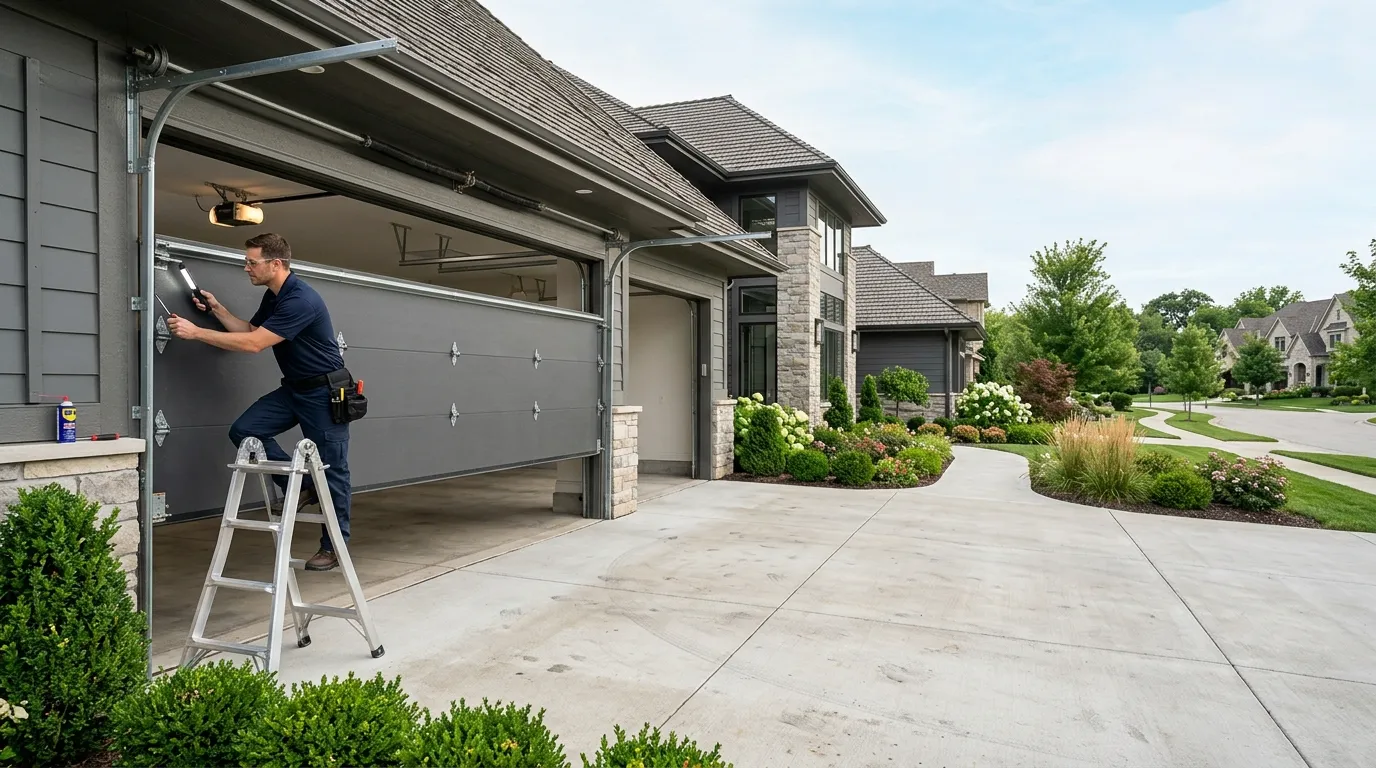
Recent work from this service line.
Other Ways We Can Help
Frequently Asked Questions
Why did my spring break in cold weather when it worked fine all fall?
Steel loses flexibility as it gets colder, and a spring that's already near the end of its cycle life has less give to absorb that stiffness. In this area's cold, severe climate, that last bit of stress is often what finally snaps a spring that was already worn thin from years of daily use.
Is my door too old to repair instead of replace?
It depends on what's failing. A broken spring, cable, or roller is almost always worth fixing regardless of the door's age. If the panels themselves are rusted through or the track is bent beyond adjustment, replacement usually makes more sense than chasing repairs on hardware from the 1960s or 70s.
Do you carry parts for older low-headroom track systems?
Not always on the truck. Some older low-headroom kits and obsolete wood-panel hardware have limited manufacturers left, so those jobs sometimes need a short special order rather than a same-visit repair. We'll tell you upfront if your door falls into that category.
Need Garage Door Repair for Ann Arbor's 1960s-70s Housing Stock?
Call now for straight answers on cost and timing.