Ann Arbor Garage Door Guide
What Ann Arbor's 1957-1999 Housing Stock Means for Your Garage Door
Most Ann Arbor houses date to 1957-1999, before modern insulation codes. Here's what that means for garage doors, openers, and cold-weather performance.
- Licensed & Insured
- Same-Area Service Calls
- Upfront Pricing
The Situation
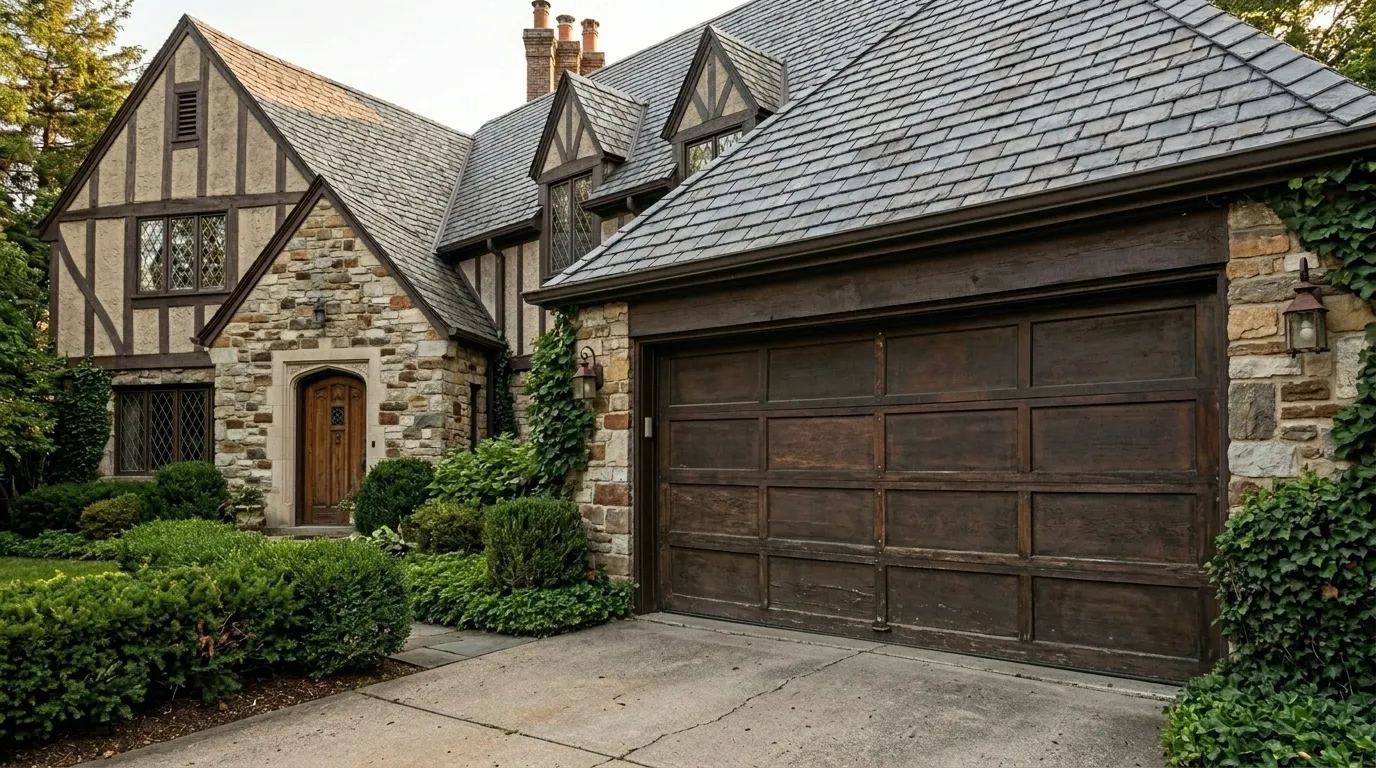
Ann Arbor's older neighborhoods didn't spring up overnight, and the numbers show it. Housing across this side of town - Burns Park, Old West Side, Northside, Angell, Wines, and the rest of the 22 named areas that make up the service area - runs from 1957 through 1999, with the median build year sitting around 1978. That's the era of ranch houses and split-levels going up fast to house a growing university town, and garage doors weren't a priority in the building code of the day.
Nobody was writing insulation requirements into residential garage doors in 1978. The doors that went in with these houses were single-layer steel or a wood panel over a light frame, built to keep rain and raccoons out and nothing more. Forty-plus years later, a lot of those original doors are still hanging on the same houses, on the same tracks, with the same non-insulated panels.
If your house falls in that build window and the door still has the manufacturer's original label somewhere on the inside rail, that's likely what you're looking at - a door engineered for a code that never asked it to hold heat.
What Local Conditions Do
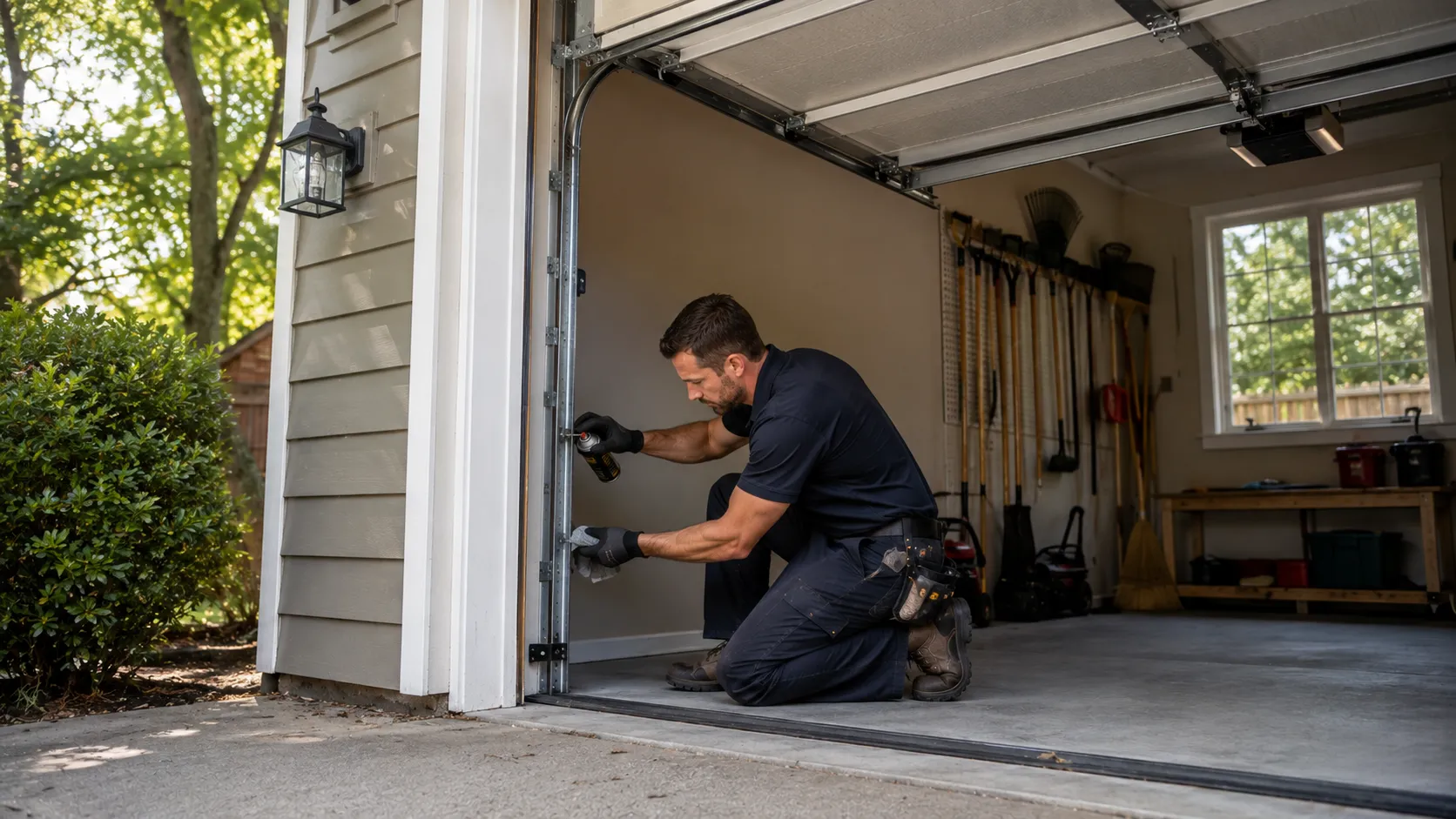
Ann Arbor sits in a climate band the federal data classifies as cold, and severely so. Combine that with a non-insulated steel or wood panel door and you get a predictable set of problems, not a mystery. An uninsulated door runs close to the same temperature as the outside air, which means the garage itself stays cold all winter - bad news if the garage backs onto a mudroom, laundry room, or finished space, which many of these 1960s-70s houses do.
Condensation forms on the inside face of the door when warm household air meets that cold steel, and over years that moisture works into hardware, rollers, and the bottom seal. None of this is unique to any one house; it's the direct result of the era these doors come from and the climate they sit in. A door with a foam core and a proper thermal break behaves differently, but that's not what shipped with most of these houses when they went up.
The Seasonal Bit
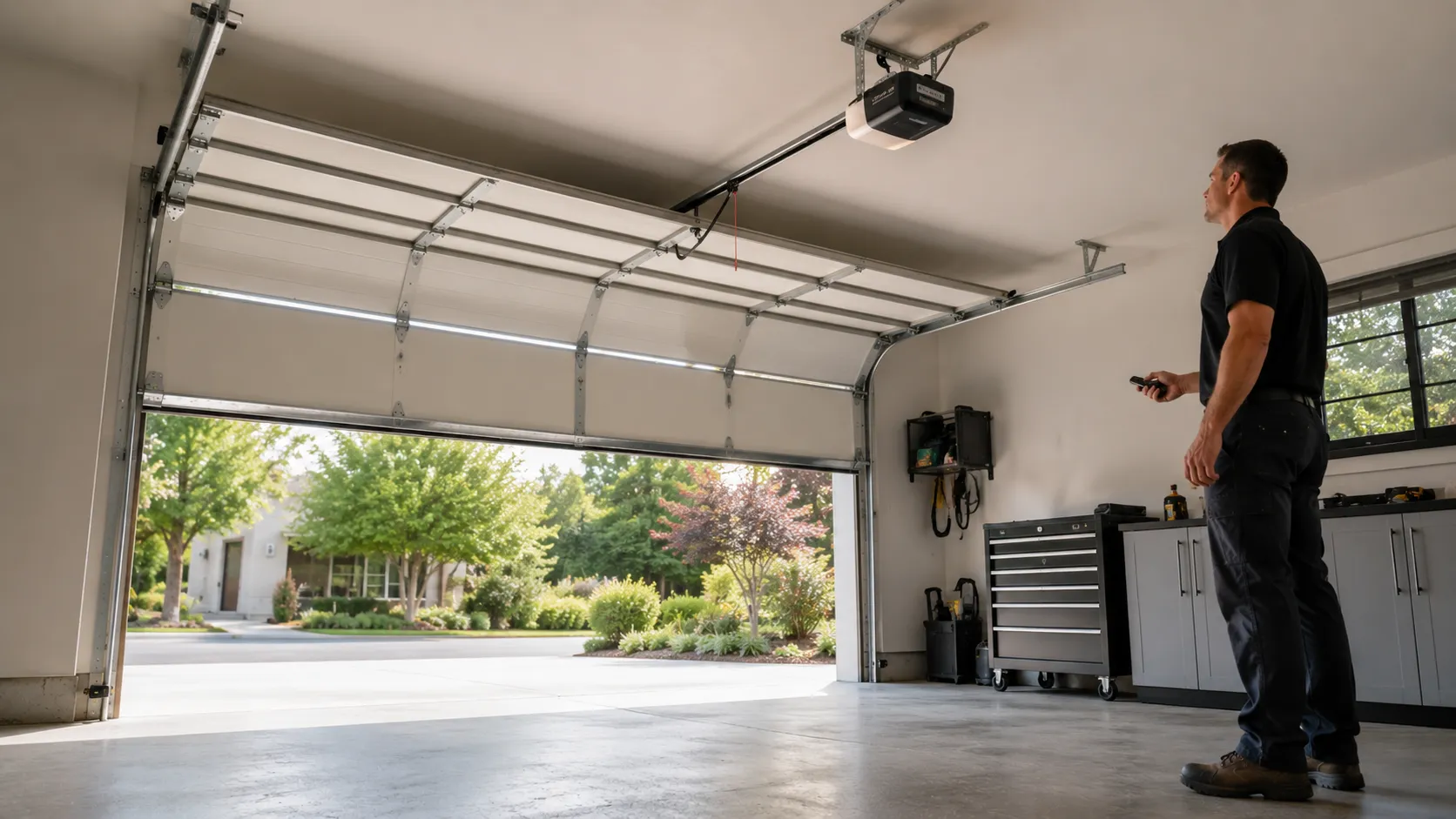
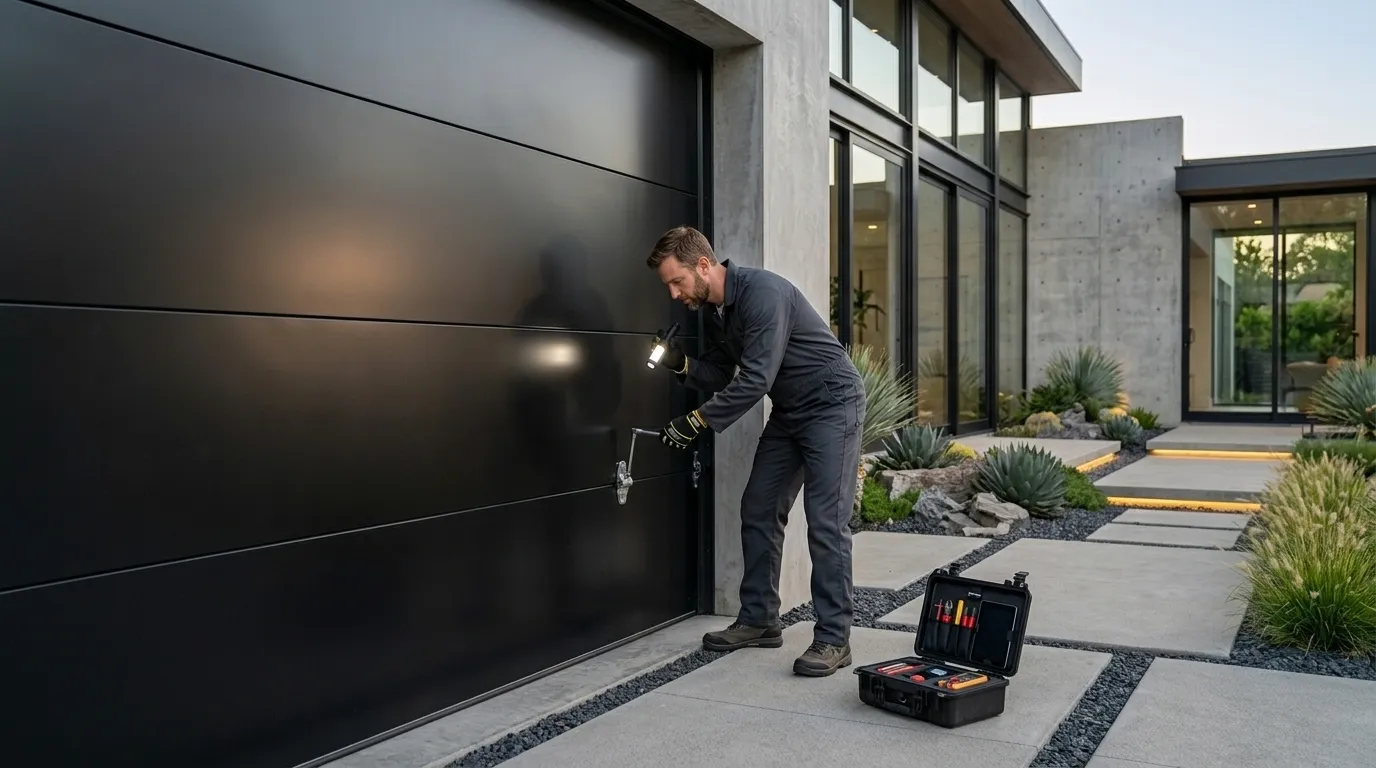
Cold does specific things to a torsion spring and a chain-drive opener, and it does them every winter, not just once. Steel contracts as temperature drops, and a torsion spring that's already worn loses a noticeable amount of lift right when the mercury falls - homeowners usually describe it as the door stopping halfway up, or the opener straining and reversing. On an insulated door this is still true but less pronounced, because the door skin doesn't swing in temperature the same way.
On the original 1960s-70s panel doors common through this part of Ann Arbor, the whole assembly runs colder, so springs, rollers, and cables work at the harder end of their rated range for a longer stretch of the year. Wood panel doors from the same era have their own seasonal habit: they swell with humidity in fall and contract as the air dries out in a heated garage over winter, which is what causes a door that tracked fine in October to bind or drag by January.
When to Get Help
If your door is original to a house built in that 1957-1999 window, get the springs and cables looked at before winter gets hard, not after the door stops moving. A spring that's already fatigued from decades of cold-weather cycling is a bad thing to have fail on a below-freezing morning. That said, we're not going to tell you to insulate a forty-year-old wood panel door as a fix for a cold garage - retrofitting foam board onto old panels rarely seals well, and past a certain point in a door's life, a new insulated steel door costs about the same as trying to save the old one and does the job properly.
If you're not sure which side of that line your door is on, we'll tell you straight rather than sell you a repair that won't hold. You can reach us through the site to get a specific answer for your specific door.
How We Can Help
Garage Door Repair
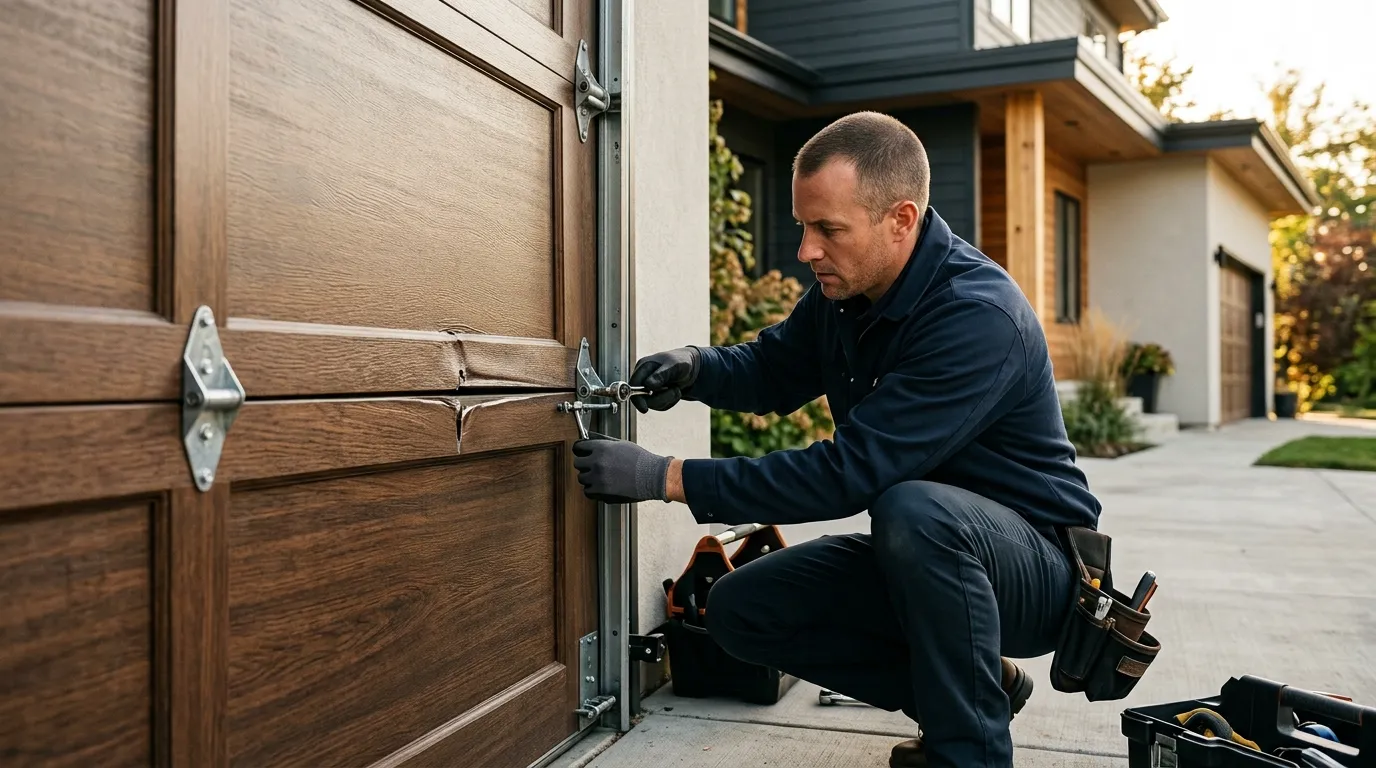
Springs, cables, tracks, rollers, and openers fixed by a tech who explains the problem before touching anything.
Learn more →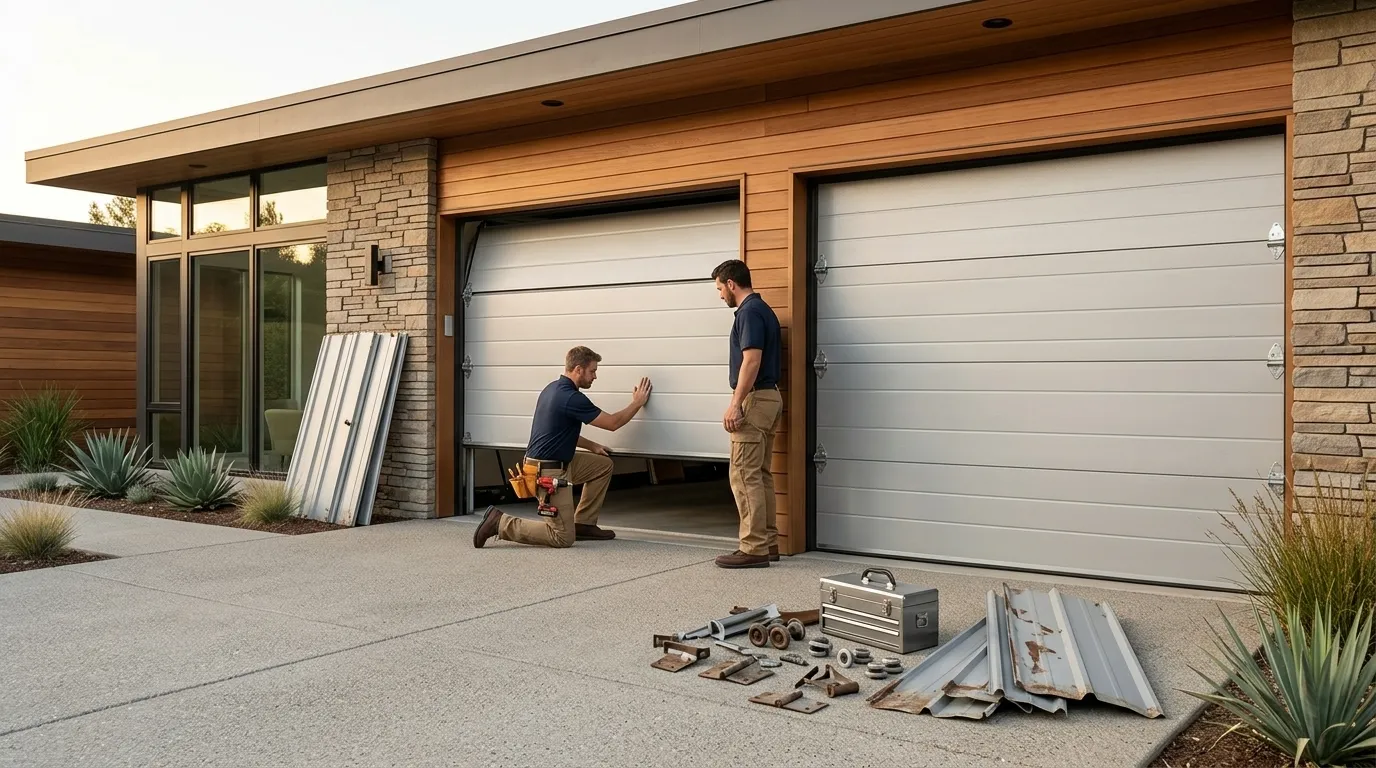
Garage Door Installation
New sectional doors sized and installed for the housing stock actually built in this area.
Learn more →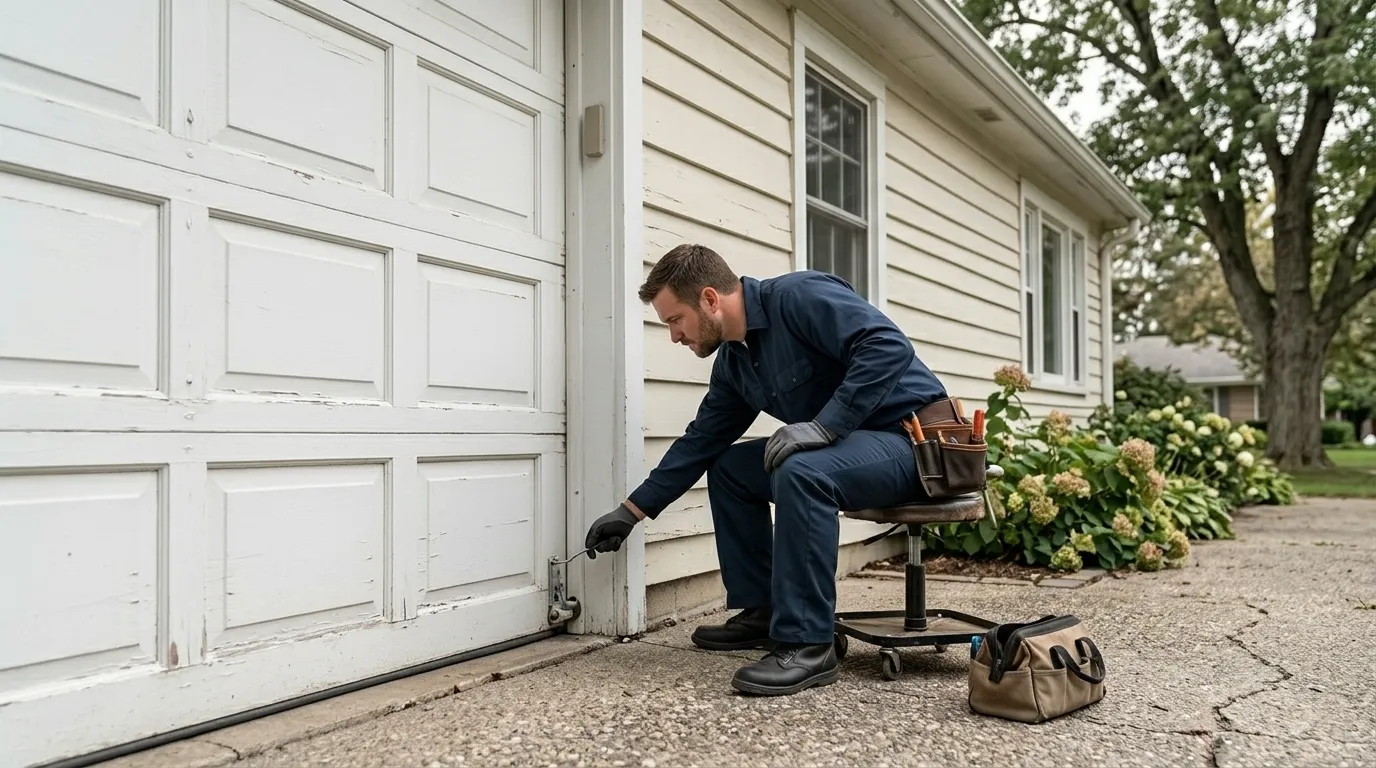
Garage Door Service
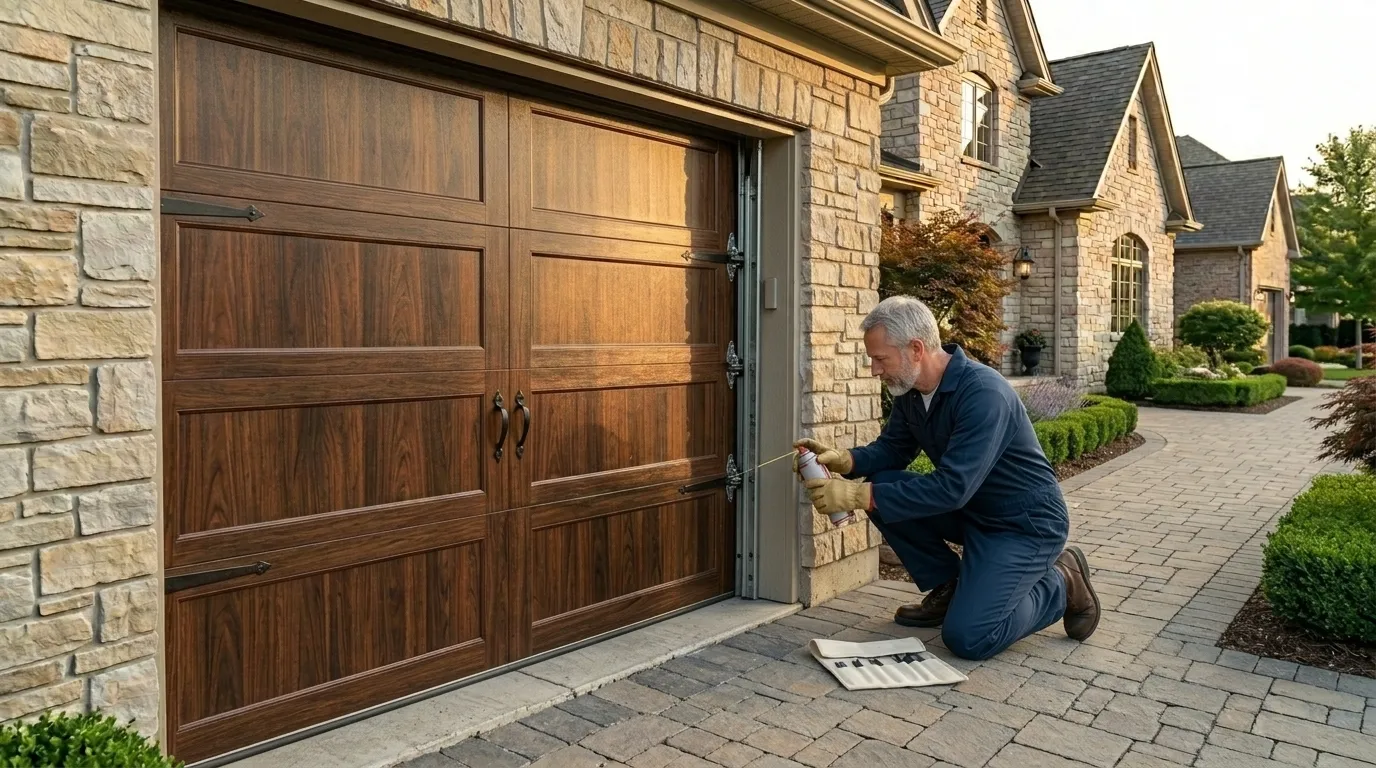
Tune-ups, lubrication, and safety checks that catch a small problem before it becomes a service call.
Learn more →Frequently Asked Questions
Why does my garage door feel so much colder than the rest of the house?
Because it probably is. A lot of Ann Arbor houses were built between 1957 and 1999, when garage doors weren't required to have any insulation. The original steel or wood panel door on a house from that era is close to outdoor temperature all winter, which is exactly what you'd expect from an uninsulated door in a severe cold climate.
Is it worth insulating my original door instead of replacing it?
Sometimes, but not always. Adding a foam kit to a door that's still in good shape can help. On a door that's decades old with warped panels or worn rollers, retrofitting insulation rarely seals well and the labor can cost close to what a new insulated door runs. We'll tell you honestly which situation you're in.
My door won't open all the way in winter - is that the cold?
It can be. Cold steel makes a torsion spring that's already fatigued lose lift right when temperatures drop, which shows up as a door that stalls partway up or an opener that strains and reverses. It's worth having the spring checked before the next cold snap rather than after it fails.
Have a Door That Needs a Second Opinion?
Call and describe what it is doing - we will tell you what it likely is.