
Service
Garage Door Panel Replacement for Ann Arbor Homes
Panel replacement for garage doors in Ann Arbor, MI, matched to the 1957-1999 housing stock and severe cold-climate steel and insulation needs of this area.
- Licensed & Insured
- Same-Area Service Calls
- Upfront Pricing
What You Are Seeing
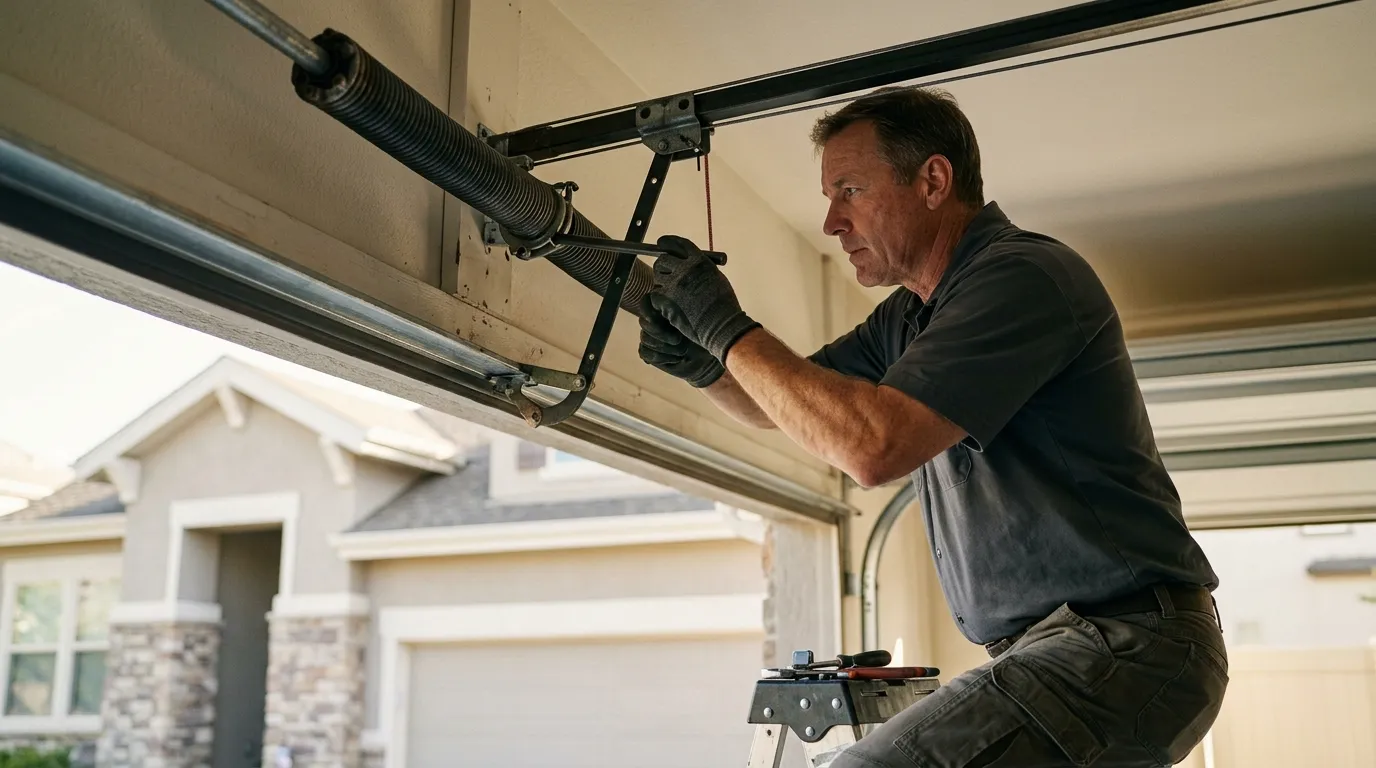
You're looking at a dented, buckled, or rust-streaked section on an otherwise working door. Maybe a car bumper caught the bottom panel, or maybe it's just age catching up with steel that's been through a lot of Michigan winters. Across the service area's 71,882 households, a big share of garage doors sit on houses built between 1957 and 1999, with the median build year at 1978.
That means a lot of doors out there are original steel sectional doors from the 1960s and 70s, and those panels don't age the way a 2015 door does. The seams get brittle, the foam core between the steel skins starts to separate from moisture cycling, and the bottom panel - the one that takes road salt spray and snow melt all winter - is usually the first to go. Sometimes it's one bent panel from a backing accident.
Sometimes it's the whole bottom third of the door showing rust bloom at every hinge point. Either way, if the track, springs, and opener are sound, you don't need a new door - you need the section that's actually failed replaced, matched as close as the original profile allows.
What the Fix Involves
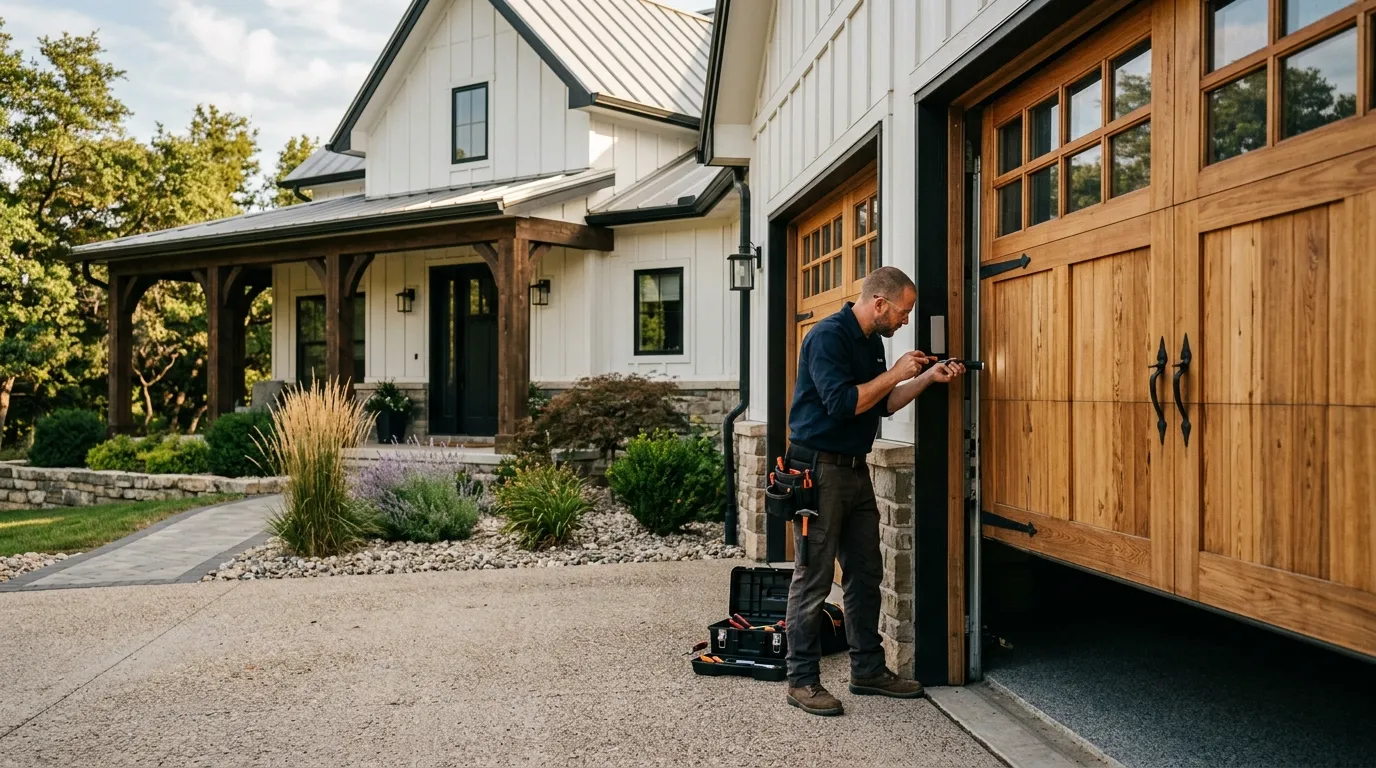
First step is matching the panel to what's already on the door - width, panel style, and where the hinge and roller brackets sit. On a door from the 1960s-70s wave that's still common on this side of the housing stock, the panel profile isn't always something a supplier stocks off the shelf, so we measure the ribbing pattern and the section height before we order anything. Once the panel is in hand, we pull the damaged section off the track without disturbing the spring tension on the rest of the door, transfer the hardware - hinges, rollers, end brackets - onto the new panel, and set it back into the same slot.
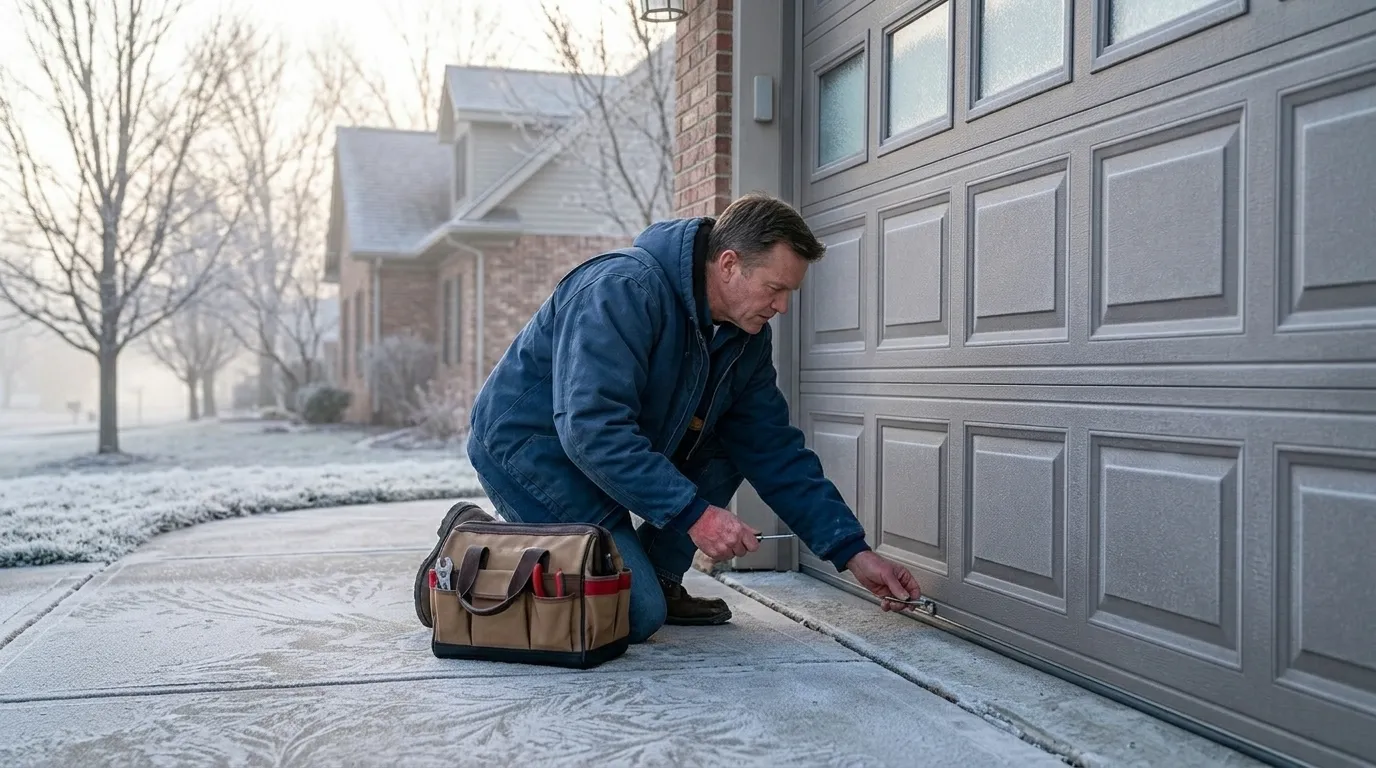
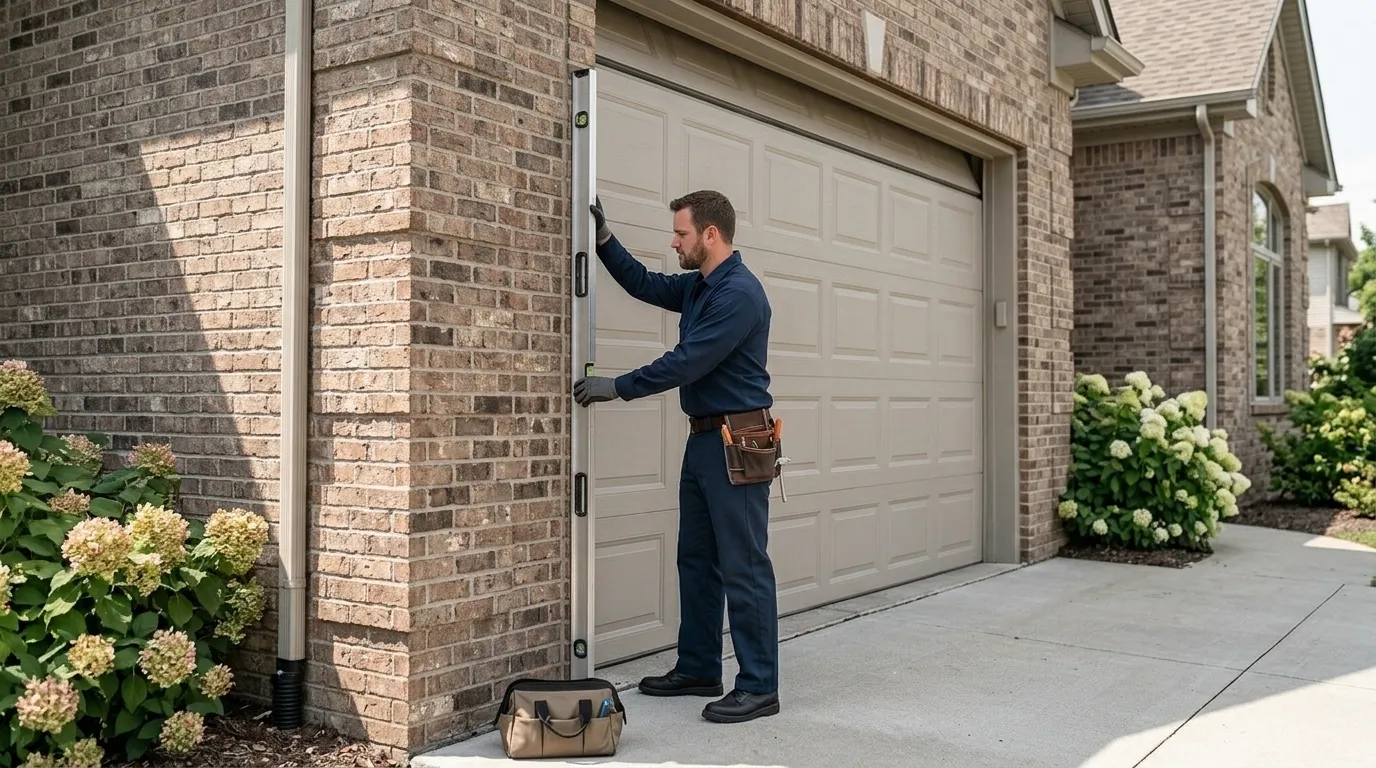
We check the door runs true afterward: level top to bottom, rollers seated in the track, no binding at the joints. If the panel that failed sits at the bottom of the door, we also check the weather seal and the bottom bracket, since that's the piece that took the impact or the corrosion in the first place. A straightforward one-panel swap on a door in otherwise good shape is usually a same-visit job.
If the frame or track took damage along with the panel, that gets addressed before the new section goes in, not after.
What Is on the Truck
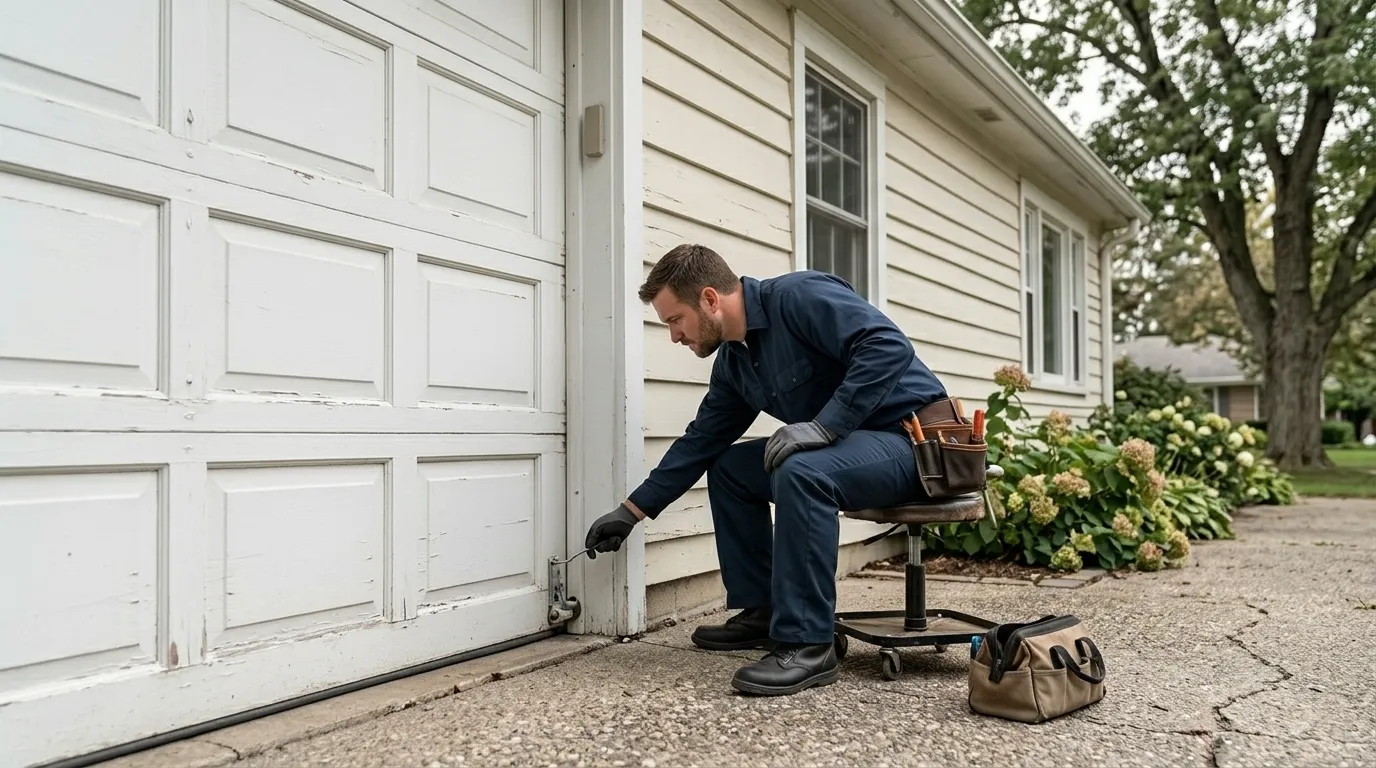
We carry common panel sizes and colors that fit the sectional doors installed across most of the housing stock here, along with standard hinge and roller hardware to transfer over. Here's the honest limitation: doors from the 1960s and 70s sometimes used panel ribbing or a groove spacing that current manufacturers don't reproduce exactly, so an exact cosmetic match on an older door isn't always something we can hand you off the truck the same day - it may mean a special order and a return visit rather than a same-day fix. When that's the case, we'll tell you before we order anything, not after.
We also stock foam-core insulation panels for the colder end of jobs, since a lot of doors in this area were built before better insulation standards and the core degrades over decades of temperature swings. Fasteners, end caps, and weatherstripping round out what's standard on the truck. What we don't carry is inventory for every discontinued profile ever made - if your door is old enough that the manufacturer stopped making that panel style, we'll say so and talk through whether a full door replacement makes more sense than chasing an obsolete part.
Why It Happens Here
This area sits in a cold climate band with severe swings, and steel doesn't like being flexed hard twice a day for months at a stretch. A panel that heats up in afternoon sun and drops well below freezing overnight is working through metal fatigue that a milder region never puts on a door. Add in de-icing salt spray kicked up off the driveway all winter, and the bottom two panels - the ones closest to the ground - take the brunt of both problems at once: thermal cycling and corrosion, working the seams from both directions.
Because the bulk of houses in the service area went up between 1957 and 1999, with the heaviest concentration in the 1960s and 70s, a large share of the doors out there are on their second or third decade past a normal service life for steel panels. At a median household income of $89,024, most owners we talk to choose a matched panel replacement over a full door swap when the track, springs, and opener are all still sound - it's the cheaper fix and it's usually the right one, provided a matching panel exists to order.
Jobs Like Yours
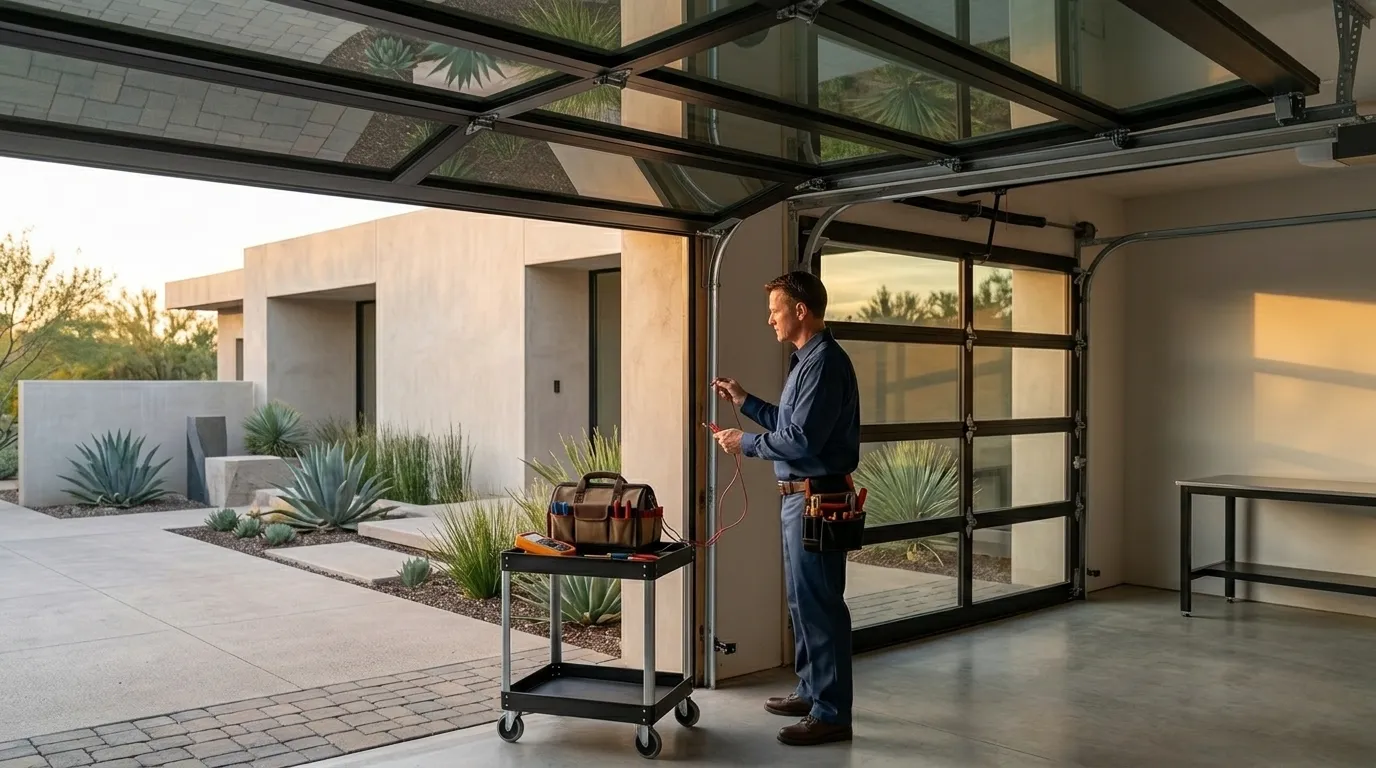
Recent work from this service line.
Talk to a Technician Before You Book
Describe what the door is doing and get a straight answer on what it likely needs.
Why Ann Arbor Calls Us
What Happens When You Call
-
1
Call or Request a Quote
Tell us what the door is doing and roughly how old the house is - that alone points us toward the likely part before a truck leaves.
-
2
On-Site Diagnosis
A tech checks the spring, cables, tracks, and opener in person and tells you plainly what is actually wrong.
-
3
Straight Price, No Surprises
You get a number before any work starts. It covers parts and labor, nothing added after the fact.
-
4
Fixed the Same Visit
Most repairs are done in one trip. If a part needs sourcing, we tell you that upfront instead of guessing.
Frequently Asked Questions
Can you replace just one panel instead of the whole door?
Yes, if the track, spring, and opener are in good shape and a matching panel is available for your door's width and profile. Most of the panel jobs we do are single-section swaps. If the door is old enough that the manufacturer has discontinued that panel style, we'll tell you and talk through whether replacement makes more sense than chasing a part.
Will the new panel match the color and texture of my existing door?
We match as close as current stock allows for standard panel styles common on doors from this area's building era. Exact grain and rib matches on older 1960s-70s doors aren't guaranteed off the truck - sometimes that means a special order rather than a same-visit match.
Why did my bottom panel rust out before the rest of the door?
The bottom section takes the most abuse: road salt spray kicked up from the driveway all winter, snow melt sitting against the steel, and the widest temperature swing of any panel on the door. In this climate that combination corrodes the bottom section years before the upper panels show any wear.
Is panel replacement cheaper than a full door?
Generally yes, when only one or two sections are damaged and the rest of the door - track, springs, opener - is sound. A full replacement makes more sense once damage spreads across multiple panels or the door's insulation core has broken down throughout, not just at the failed section.
Need Garage Door Panel Replacement for Ann Arbor Homes?
Call now for straight answers on cost and timing.